

Taking care of your skin is an essential part of maintaining your overall health and beauty. However, when it comes to skincare, not all ingredients are created equal. While some may do wonders for your skin, others can cause damage and harm.
With the increasing popularity of DIY skincare recipes, it’s essential to understand which ingredients may be harmful to your skin. In this article, we’ll discuss some of the most common DIY ingredients that may harm your skin.

Lemon juice: Lemon juice is a popular ingredient in DIY skincare recipes for its natural acidity and skin brightening properties. However, the high acidity of lemon juice can disrupt your skin’s pH balance and cause dryness, irritation, and even sun sensitivity. It’s best to avoid using undiluted lemon juice on your skin or limit its use to a small amount in a well-formulated product.
Baking soda: Baking soda is often used in DIY skincare recipes as a natural exfoliant. However, it’s too abrasive for your skin and can cause micro-tears, leading to inflammation, redness, and even hyperpigmentation. Instead, opt for a gentler exfoliant, like a chemical exfoliant containing alpha or beta hydroxy acids.
Essential oils: Essential oils are widely used in DIY skincare recipes for their aromatic and therapeutic benefits. However, using undiluted essential oils directly on your skin can cause irritation, allergic reactions, and even chemical burns. Always dilute essential oils in a carrier oil before using them on your skin or hair.
Sugar: Sugar is a popular ingredient in DIY body scrubs and exfoliants. However, the granules are too large and can cause micro-tears in your skin. Additionally, sugar can be a breeding ground for bacteria and mold, increasing the risk of infection. Instead, choose a gentle exfoliant like oatmeal or jojoba beads.
Toothpaste: Toothpaste is often recommended as a quick fix for acne, but it can actually do more harm than good. Toothpaste contains ingredients like baking soda, hydrogen peroxide, and alcohol that can dry out your skin and cause irritation. Additionally, toothpaste can clog your pores and exacerbate acne. It’s best to stick to products specifically formulated for acne or seek professional help from a dermatologist.
Vinegar: Vinegar is a popular DIY ingredient for its antibacterial and astringent properties. However, using undiluted vinegar on your skin can cause burns and irritation. Additionally, vinegar can disrupt your skin’s natural pH balance, leading to dryness and inflammation. It’s best to avoid using vinegar directly on your skin or opt for a well-formulated product containing vinegar.
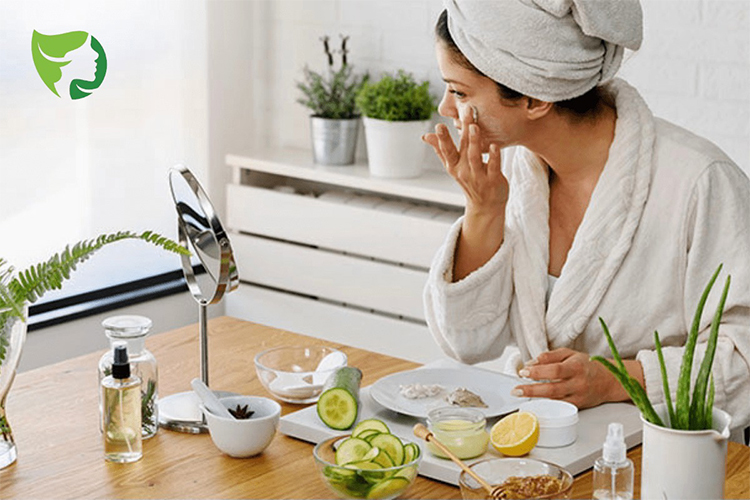
Citrus oils: Citrus oils, such as orange and grapefruit, are often used in DIY skincare recipes for their fragrance and skin brightening properties. However, like lemon juice, citrus oils are highly acidic and can cause sun sensitivity, dryness, and irritation. Additionally, citrus oils can cause photosensitivity, increasing the risk of sunburn and skin damage. It’s best to avoid using citrus oils on your skin or limit their use to a small amount in a well-formulated product.
Cinnamon: Cinnamon is often used in DIY lip plumping recipes for its stimulating properties. However, cinnamon can be highly irritating and even burn your skin. Additionally, cinnamon can cause allergic reactions, especially in people with sensitive skin. It’s best to avoid using cinnamon on your skin or opt for a well-formulated product containing cinnamon.
Hydrogen peroxide: Hydrogen peroxide is often recommended as a natural remedy for acne or to lighten hair. However, using hydrogen peroxide on your skin can cause dryness, irritation, and even chemical burns. Additionally, hydrogen peroxide can damage your skin’s protective barrier, leading to increased sensitivity and inflammation.
Apple cider vinegar: Apple cider vinegar is a popular DIY ingredient for its antibacterial and astringent properties. However, like other types of vinegar, apple cider vinegar is highly acidic and can disrupt your skin’s natural pH balance. This can lead to dryness, irritation, and even damage to your skin’s protective barrier. It’s best to dilute apple cider vinegar before using it on your skin or opt for a well-formulated product containing apple cider vinegar.
St. John’s Wort: St. John’s Wort is often used in DIY skincare recipes for its anti-inflammatory and healing properties. However, St. John’s Wort can cause photosensitivity, making your skin more susceptible to sunburn and skin damage. Additionally, St. John’s Wort can cause allergic reactions, especially in people with sensitive skin.
Borage oil: Borage oil is a popular DIY ingredient for its moisturizing and anti-inflammatory properties. However, borage oil contains high levels of pyrrolizidine alkaloids, which can be toxic to your liver and skin. Additionally, borage oil can cause skin irritation and allergic reactions, especially in people with sensitive skin.
Garlic: Garlic is often used in DIY skincare recipes for its antibacterial and anti-inflammatory properties. However, using garlic on your skin can cause irritation, redness, and even chemical burns. Additionally, garlic can cause allergic reactions, especially in people with sensitive skin.
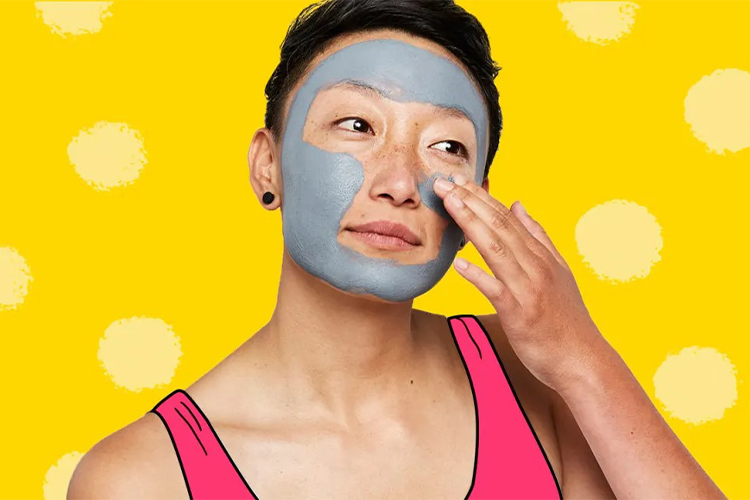
Tea tree oil: Tea tree oil is a popular DIY ingredient for its antibacterial and anti-inflammatory properties. However, using undiluted tea tree oil directly on your skin can cause irritation, redness, and even chemical burns. Additionally, tea tree oil can cause allergic reactions, especially in people with sensitive skin.
Petroleum jelly: Petroleum jelly, also known as Vaseline, is often recommended as a moisturizer or lip balm. However, petroleum jelly is a byproduct of oil refining and can clog your pores, leading to acne and skin irritation. Additionally, petroleum jelly can trap dirt and bacteria on your skin, increasing the risk of infection.
In conclusion, while DIY skincare recipes can be fun and cost-effective, it’s essential to understand which ingredients may harm your skin. Always do your research and patch test new ingredients before using them on your skin. Additionally, it’s best to avoid using undiluted or untested ingredients on your skin and opt for well-formulated products that have been tested and approved by dermatologists. Taking care of your skin should always be a top priority, and using harmful DIY ingredients can do more harm than good in the long run, with these tips you may be able to recognize the ingredients which are harmful for your skin,