

When it comes to buying clothes, it can be challenging to distinguish between quality and cheap garments. Many factors can influence the quality of clothing, such as the materials used, the construction, and the brand. It’s essential to learn how to differentiate between high-quality and low-quality clothing to make the most of your wardrobe and budget. In this article, we’ll share some tips for telling the difference between quality and cheap clothes.
Check the fabric
The type of material used to make the garment is one of the most crucial factors in determining its quality. Generally, natural fibers such as cotton, silk, wool, and linen are considered more durable and higher quality than synthetic materials such as polyester and nylon. However, it’s important to note that not all natural fibers are created equal. For instance, a cotton blend may be less durable than 100% cotton.
Additionally, pay attention to the weight and texture of the fabric. High-quality fabrics are usually heavier and have a more substantial feel to them. They also have a smooth texture and feel soft to the touch. If the fabric feels rough or thin, it may not last long.
Look at the seams
The way a garment is put together is also an important factor in determining its quality. Look closely at the seams to see how they are sewn together. High-quality clothing usually has tightly stitched seams that are reinforced with additional stitching or tape. If you notice loose threads or uneven stitching, it’s a sign that the garment may not be well made.
Check the details
The details of a garment can also give you a clue about its quality. Look for features like buttons, zippers, and pockets. Are they sturdy and well made? Do they match the overall style of the garment? High-quality clothing usually has well-designed details that are both functional and fashionable. If you notice cheap-looking buttons or poorly placed pockets, it may be a sign that the garment is of low quality.
Consider the brand
While the brand isn’t always an indicator of quality, it’s worth considering. Brands that have a reputation for producing high-quality clothing are likely to use better materials and construction techniques. However, keep in mind that just because a brand is expensive, it doesn’t necessarily mean that the clothing is of high quality.
Check for proper fit
A well-fitting garment is not only more comfortable to wear, but it’s also a sign of quality. Pay attention to how the garment fits on your body. Does it drape nicely? Are the sleeves the right length? Is the neckline flattering? If the garment doesn’t fit properly, it’s a sign that it may not be well made.
Look for care instructions
High-quality clothing usually comes with care instructions that detail how to wash and care for the garment. If the clothing doesn’t have any care instructions or has generic ones, it may be a sign that it’s of lower quality. Garments that require specific care are usually made from higher quality materials that need special attention to maintain their quality.
Look at the lining
The lining of a garment can also give you an indication of its quality. High-quality clothing is often lined with a high-quality material such as silk or cotton. The lining should be smooth and well-constructed. If the lining feels cheap or is made from a low-quality material, it may be a sign that the garment is of lower quality.
Check the color and print
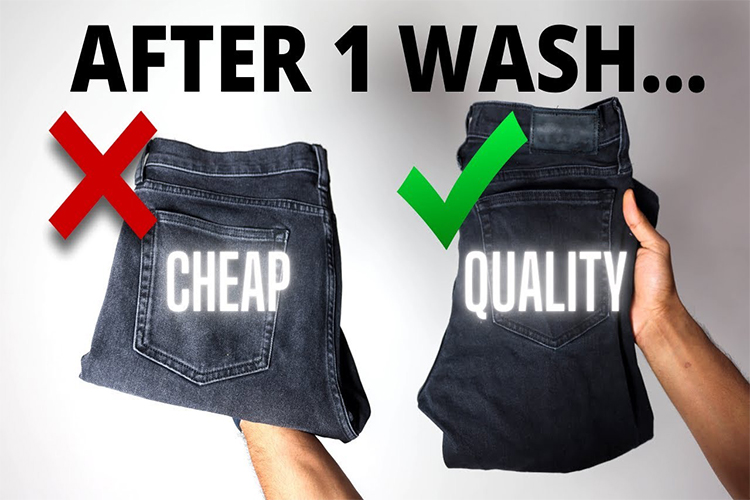
The color and print of a garment can also give you an indication of its quality. High-quality clothing usually has a rich, vibrant color that doesn’t fade after washing. The print should also be crisp and well-defined. If the color looks faded or the print is blurry, it may be a sign that the garment is of lower quality.
Consider the price
While price isn’t always an indicator of quality, it’s worth considering. If a garment is priced significantly lower than similar items, it may be a sign that it’s of lower quality. However, keep in mind that some brands may charge a premium for their clothing, even if it’s not necessarily higher quality than other brands.
Pay attention to the feel
When trying on clothing, pay attention to how it feels on your skin. High-quality clothing usually feels soft and comfortable to wear. If the fabric feels rough or scratchy, it may be a sign that the garment is of lower quality.
Look for natural dyes
High-quality clothing is often dyed with natural dyes, such as indigo, rather than synthetic dyes. Natural dyes are more sustainable and tend to create a richer, more vibrant color. If the garment is dyed with synthetic dyes, it may be a sign that it’s of lower quality.
Check for shrinkage
Before purchasing a garment, check the care instructions for information about shrinkage. High-quality clothing is often pre-shrunk or made from materials that don’t shrink in the wash. If the garment is likely to shrink significantly after washing, it may be a sign that it’s of lower quality.
Look for a guarantee or warranty
Some high-quality clothing brands offer guarantees or warranties that provide additional peace of mind to the consumer. If a brand offers a guarantee or warranty, it’s a sign that they stand behind the quality of their products.
Check for odor
When trying on clothing, pay attention to any unusual odors. If the garment smells musty or has a chemical odor, it may be a sign that it’s of lower quality. High-quality clothing is usually free from any unusual odors.
Consider the country of origin
The country of origin can also give you an indication of the quality of the garment. Clothing made in countries with a reputation for high-quality manufacturing, such as Italy or Japan, is more likely to be of higher quality than clothing made in countries with a reputation for lower quality manufacturing.
In conclusion, there are many factors to consider when determining the quality of clothing. Pay attention to the fabric, seams, details, fit, care instructions, lining, color, print, price, feel, dyes, shrinkage, guarantee, odor, and country of origin. By following these tips, you’ll be able to make informed decisions about your clothing purchases and build a wardrobe full of high-quality, long-lasting clothing. Remember, investing in high-quality clothing may cost more upfront, but it can save you money in the long run by lasting longer and not needing to be replaced as often.