

Traditional Japanese style homes are known for their simple, minimalist design, and use of natural materials. If you’re looking to create a traditional Japanese style home, there are several key design elements you should consider. In this article, we’ll explore these design elements and provide tips on how to create a traditional Japanese style home.
Embrace simplicity
One of the key elements of traditional Japanese style homes is simplicity. Japanese homes are known for their minimalist design, with clean lines and uncluttered spaces. To create a traditional Japanese style home, it’s important to embrace simplicity in your design. This means using clean lines, uncluttered spaces, and minimal decoration.
Use natural materials
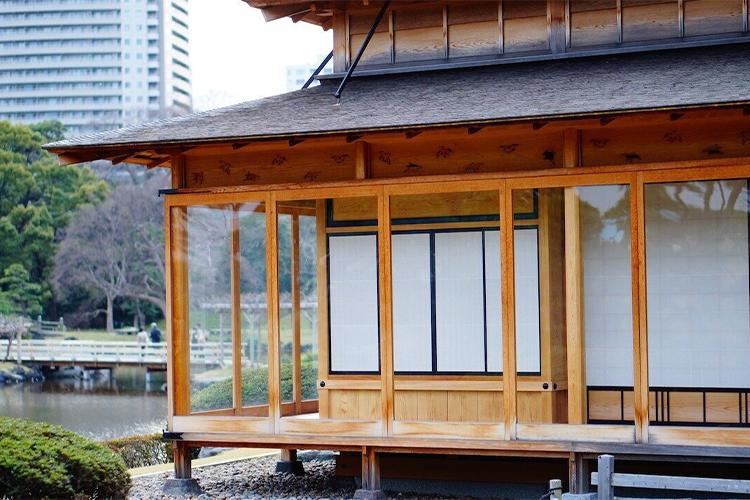
Another important element of traditional Japanese style homes is the use of natural materials. Japanese homes often feature wood, bamboo, and paper as primary building materials. These natural materials help to create a warm, inviting atmosphere and bring the outdoors inside. When designing your Japanese style home, consider using natural materials for flooring, walls, and furniture.
Incorporate sliding doors
Sliding doors, or shoji, are a common feature in Japanese style homes. These doors are made from paper and wood and are used to divide spaces in the home. Sliding doors allow for flexibility in the design of your home and can be used to create private spaces or open up a room for entertaining. When designing your Japanese style home, consider incorporating sliding doors to add to the authentic feel.
Use tatami mats
Tatami mats are a traditional Japanese flooring material made from woven straw. These mats are soft, comfortable, and add to the natural feel of a Japanese style home. Tatami mats are often used in living areas, bedrooms, and meditation rooms. When designing your Japanese style home, consider using tatami mats for flooring to create an authentic feel.
Create a zen garden
A zen garden, or karesansui, is a traditional Japanese garden that features rocks, sand, and gravel. These gardens are designed to promote relaxation and meditation and are often found in Japanese style homes. When designing your Japanese style home, consider creating a zen garden to add to the peaceful atmosphere.
Use natural lighting
Natural lighting is an important element in Japanese style homes. Traditional Japanese homes often feature large windows and skylights to bring natural light into the home. When designing your Japanese style home, consider using large windows and skylights to create a bright, open space.
Add traditional Japanese decor
To create an authentic Japanese style home, it’s important to incorporate traditional Japanese decor. This can include artwork, pottery, and traditional Japanese furniture. When selecting decor, choose items that are made from natural materials and feature clean lines and simple designs.
Consider the layout
The layout of a traditional Japanese home is often based on the concept of ma, which refers to the space between objects. In Japanese style homes, rooms are often arranged around a central courtyard or garden, with sliding doors and screens used to divide the space. When designing your Japanese style home, consider the layout and how you can use sliding doors and screens to create flexible spaces.
Use a neutral color palette
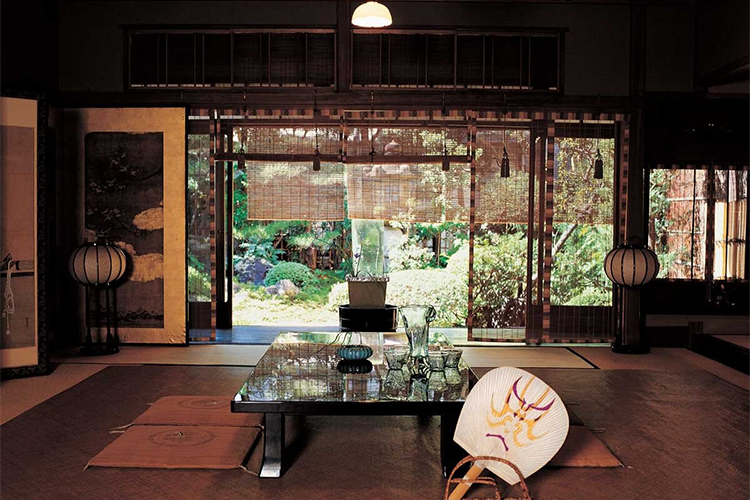
Traditional Japanese style homes often feature a neutral color palette, with natural wood tones, white, beige, and grey. These colors create a calming, relaxing atmosphere and allow natural materials to take center stage. When selecting colors for your Japanese style home, consider using a neutral color palette to create a timeless, classic look.
Consider the role of nature
Nature plays a significant role in traditional Japanese style homes, and many design elements are inspired by the natural world. When designing your Japanese style home, consider how you can incorporate nature into your design. This can include using natural materials, incorporating plants and greenery, and creating a natural flow between indoor and outdoor spaces.
Use traditional Japanese lighting
Traditional Japanese style homes often feature traditional lighting, such as paper lanterns and hanging lamps. These lighting fixtures are often made from natural materials and feature simple designs. When selecting lighting for your Japanese style home, consider using traditional Japanese lighting to create an authentic feel.
Incorporate a tokonoma
A tokonoma is a small alcove in a Japanese style home that is used to display artwork or decorative items. The tokonoma is often the focal point of the room and is designed to create a sense of balance and harmony. When designing your Japanese style home, consider incorporating a tokonoma to create a traditional Japanese feel.
Use a futon instead of a bed
In traditional Japanese style homes, futons are often used instead of beds. Futons are mattresses that are placed directly on the floor and can be easily stored during the day. When designing your Japanese style home, consider using a futon instead of a bed to create an authentic feel.
Create a tea room
Tea ceremonies are an important part of Japanese culture, and many traditional Japanese style homes feature a tea room. The tea room is often a small, simple space designed for meditation and reflection. When designing your Japanese style home, consider creating a tea room to add to the peaceful atmosphere.
Add a tokkuri and chawan
A tokkuri and chawan are traditional Japanese ceramics used in tea ceremonies. The tokkuri is a small jug used to pour hot water, and the chawan is a bowl used to drink tea. Consider adding a set of tokkuri and chawan to your home to create a traditional Japanese feel and to use during your own tea ceremonies.
Add a koi pond or water feature
Water is an important element in Japanese culture, and incorporating a koi pond or water feature in your design can add to the peaceful atmosphere of your home. Consider adding a koi pond or water feature to your outdoor space to create a traditional Japanese feel and to bring a sense of calm to your home.
Incorporate traditional Japanese art
Traditional Japanese art, such as calligraphy, woodblock prints, and paintings, can add a sense of authenticity to your Japanese style home. Consider incorporating traditional Japanese art into your design to add color and texture to your space and to create a traditional Japanese feel.
Focus on functionality
Finally, when designing your Japanese style home, it’s important to focus on functionality. Japanese homes are designed to be functional and efficient, with each space serving a specific purpose. When designing your Japanese style home, consider the purpose of each room and how you can make the most of the space.
In conclusion, creating a traditional Japanese style home requires a focus on simplicity, natural materials, and traditional design elements. By incorporating these tips into your design, you can create a warm, inviting space that is both beautiful and functional. Whether you’re building a new home or renovating an existing space, consider using these tips to create an authentic Japanese style home.