
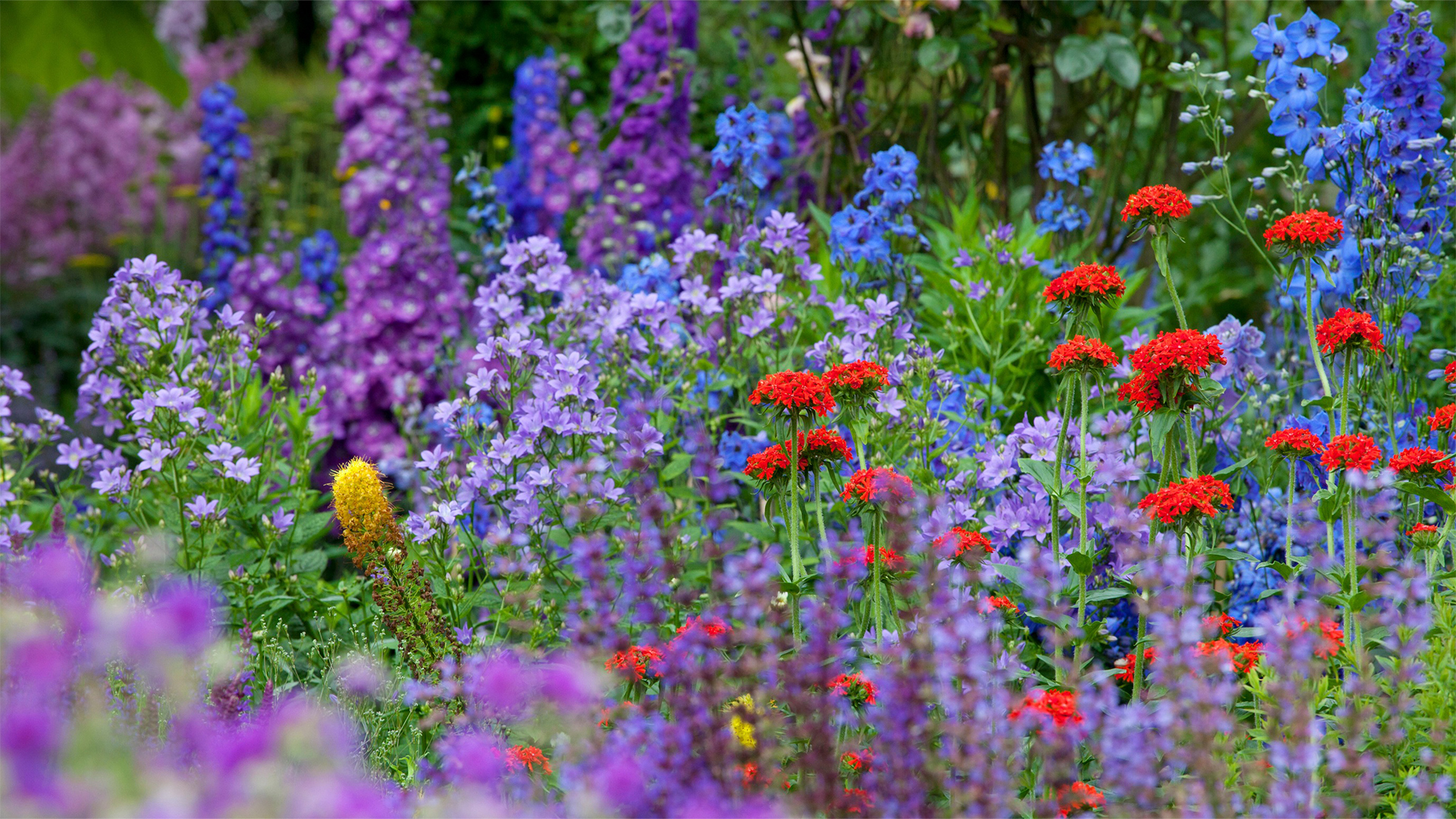
Rainbow gardens are a vibrant and colorful way to add some pizzazz to your outdoor space. The beauty of a rainbow garden is that it can be customized to fit any size or shape of garden, and it can be grown in a variety of climates. In this article, we will cover the steps required to create a rainbow garden that will be the envy of your neighborhood.
Choose a location
The first step in creating a rainbow garden is to choose a location. Rainbow gardens need full sun, so choose a spot that gets at least six hours of sunlight a day. The location should also have good drainage, as rainbow gardens do not like to sit in water. Finally, make sure the location is easy to access for watering, weeding, and harvesting.

Plan your garden
Before you start planting, take some time to plan out your garden. Rainbow gardens are all about color, so think about what colors you want to include. You can choose a traditional rainbow color scheme (red, orange, yellow, green, blue, indigo, and violet) or create your own color palette. Make sure to consider the height and spread of the plants you choose so that they fit well together in the garden.
Choose your plants
There are many different types of plants that can be used in a rainbow garden. Here are some suggestions:
Red: Geraniums, Salvia, Red Hot Pokers
Orange: Marigolds, Zinnias, Calendula
Yellow: Sunflowers, Coreopsis, Rudbeckia
Green: Herbs, Hostas, Ferns
Blue: Delphiniums, Bachelor Buttons, Bluebells
Indigo: Iris, Grape Hyacinths
Violet: Lavender, Purple Coneflowers, Veronica
Remember, you don’t have to use all the colors of the rainbow, and you can mix and match different shades of the same color.
Prepare the soil
Before planting, it’s important to prepare the soil. Loosen the soil to a depth of at least 6 inches and remove any weeds or rocks. Mix in compost or other organic matter to improve the soil’s fertility and drainage. You may also want to add a slow-release fertilizer to provide nutrients for your plants throughout the growing season.
Plant your garden
Once the soil is prepared, it’s time to start planting. Follow the planting instructions for each plant, and make sure to space them out properly to give them room to grow. As you plant, think about the color scheme you’ve chosen and try to create a balanced look. You may want to plant taller plants in the back and shorter plants in the front, or you can mix them up for a more informal look.
Water and care for your garden
Once your rainbow garden is planted, it’s important to give it proper care. Water your plants regularly, making sure not to overwater or underwater them. Mulch around the plants to help retain moisture and prevent weeds from growing. Prune your plants as needed to keep them healthy and looking their best.
Consider companion planting
Companion planting is the practice of planting different plants together to benefit each other. Some plants attract beneficial insects like bees and butterflies, while others repel harmful insects. For example, planting marigolds in your garden can help repel pests like aphids and whiteflies. Consider companion planting to not only enhance the color scheme of your rainbow garden but also improve the health of your plants.
Rotate your crops
If you plan on growing your rainbow garden year after year, it’s important to rotate your crops. Planting the same crops in the same spot year after year can deplete the soil of nutrients and increase the risk of pests and diseases. By rotating your crops, you can maintain soil health and prevent pests and diseases from taking hold.
Plan for year-round color
Rainbow gardens don’t have to be limited to the growing season. With proper planning, you can create a garden that provides color year-round. Plant bulbs like crocuses and daffodils in the fall for early spring color. Add evergreens and other plants with colorful foliage to provide color in the winter months. Consider adding a few plants with colorful berries or seed heads for fall interest.
Add some decorative elements
In addition to plants, consider adding some decorative elements to your rainbow garden. You can add colorful garden art, like gazing balls or wind chimes, or create a colorful border using decorative stones or bricks. Adding a colorful garden bench or seating area can also enhance the overall look of your rainbow garden.
Use plants with different textures
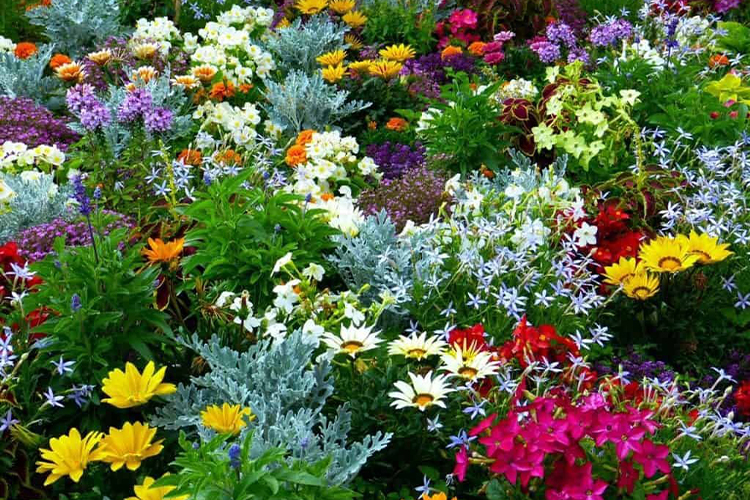
Incorporating plants with different textures can add visual interest to your rainbow garden. Plants with soft, fuzzy leaves can contrast with those with smooth, glossy leaves. Flowers with delicate petals can contrast with those with bold, geometric shapes. Consider using a variety of plants with different textures to create a visually stunning rainbow garden.
Choose plants with different heights
Another way to add dimension and interest to your rainbow garden is to use plants with different heights. Taller plants can add structure and drama to your garden, while shorter plants can create a sense of intimacy and charm. Consider using a mix of tall, medium, and short plants to create a layered effect in your rainbow garden.

Add some edible plants
Incorporating edible plants into your rainbow garden is not only practical but can also add a unique twist to your garden design. Many edible plants, such as chard and kale, have colorful leaves that can add to the rainbow color scheme. Herbs like lavender and basil can also add color and fragrance to your garden. Just make sure to choose edible plants that are suited to your climate and growing conditions.
Don't forget about containers
If you don’t have a large outdoor space, you can still grow a rainbow garden using containers. Choose colorful pots and fill them with a variety of plants in different colors and textures. You can also use hanging baskets to add vertical interest to your rainbow garden.
Consider the sun and soil requirements of your plants
When choosing plants for your rainbow garden, it’s important to consider their sun and soil requirements. Some plants prefer full sun, while others prefer partial shade. Some plants thrive in well-draining soil, while others prefer moist soil. By selecting plants that are well-suited to your growing conditions, you can ensure that your rainbow garden will thrive.
Create a color wheel
If you’re having trouble deciding on a color scheme for your rainbow garden, consider using a color wheel as a guide. A color wheel can help you select complementary colors that work well together. For example, purple and yellow are complementary colors, as are blue and orange. By using a color wheel, you can create a cohesive rainbow garden that is visually stunning.
Growing a rainbow garden requires some planning and effort, but the results can be truly rewarding. With a little creativity and some hard work, you can create a garden that is not only beautiful but also sustainable and healthy. So get out there and start planting your own rainbow garden today!