

Italist was founded in 2014 on a straightforward premise — Italian VAT tax refunds and lower domestic boutique pricing mean luxury goods in Italy retail at significantly lower prices than in the US, and a platform connecting global buyers directly to Italian boutiques could pass those savings forward. The model is legitimate: access to 200,000+ items across 1,000+ brands, with savings documented at up to 40% versus US retail on current-season pieces. A buyer reporting a Fendi mohair outfit purchased via Italist “at prices you usually only see at Bloomingdales — but significantly cheaper” captures the value proposition precisely. The documented trade-offs are returns complexity and customer service variability.
✅ Up to 40% savings on current-season luxury versus US retail pricing — not end-of-season discounts, but Italian boutique pricing on new arrivals
✅ 200,000+ items across 1,000+ brands — one of the broadest luxury selection marketplaces available to US shoppers
✅ Sourced directly from authorized Italian boutiques — authenticity is backed by the business model, not just claims
✅ In-season inventory — buyers access the current season’s full collections, not last year’s unsold stock
✅ Worldwide shipping including express options — genuinely global reach
✅ Italian luxury brands and European designer footwear are particularly strong in the catalog — the selection reflects authentic Italian boutique buying preferences
✅ Multi-boutique orders arrive separately — normal marketplace behavior, not a sign of fulfillment problems
✅ Over 126 verified buyer reviews with generally positive authenticity and pricing feedback
❌ Returns processed through Italian customs — longer timelines and potential customs duty costs on returns make impulse buys risky
❌ Import duties may apply depending on item value and buyer’s country — must be factored into total cost comparison
❌ Customer service response times and resolution quality are inconsistent — the platform’s most documented weakness
❌ Selection reflects Italian boutique buying preferences — French luxury houses and American designers are less well represented
❌ Sizing availability is limited by boutique stock — if your size isn’t in a specific Italian partner’s inventory, it’s simply not available
❌ Single-boutique orders can split into multiple packages when items come from different partners — less ideal for buyers expecting consolidated delivery
Research from FashionHaulClub, FindAReferralCode, MyProsAndCons aggregate rating analysis, and RealReviews verified buyer accounts. No Italist commercial relationship.
Italist operates as a marketplace connecting buyers to a network of Italian boutiques rather than holding its own inventory. This is the key to both its strength and its complexity. Strength: the boutiques are authorized retailers for the brands they stock, which makes authenticity straightforward — you’re buying from the same stores Italian shoppers use. Complexity: because orders may pull from multiple boutiques, a single cart can arrive in separate packages, returns go back through Italian customs, and buyer communication routes through the platform rather than a single fulfillment center.
The 40% savings claim is legitimate for Italian luxury brands where domestic VAT pricing and the boutique model create genuine margin. For a Bottega Veneta bag retailing at $1,200 in the US, Italist might list it at $800–$900 from an Italian boutique — a real difference, not a manufactured comparison. The caveat is that import duties can offset some of this advantage depending on order value and buyer location. Factor in duties before assuming the sticker price is the final cost.
Not a meaningful concern. The business model — purchasing from authorized Italian boutiques — inherently addresses authenticity. This isn’t a grey-market or surplus channel; it’s direct access to legitimate luxury retail. The products are the same as what someone buying in Milan or Florence would receive.
This is Italist’s documented friction. Returns route through Italian customs, which adds both time and potential cost. Multiple reviewers note that the process works but requires patience — not a failed process, but a more complex one than domestic luxury retailers offer. Customer service quality varies — some buyers report prompt and helpful responses, others report slow or inadequate follow-up. The variability appears to be consistent with marketplace-model service rather than a systemic failure.

The category where Italist’s value is clearest. Italian houses with domestic boutique pricing that genuinely undercuts US retail. Current-season pieces that aren’t yet on sale anywhere else.

Shoes from Italian and European designers are where Italist’s boutique network is deepest. Wider size availability and broader selection in this category than almost anywhere else.
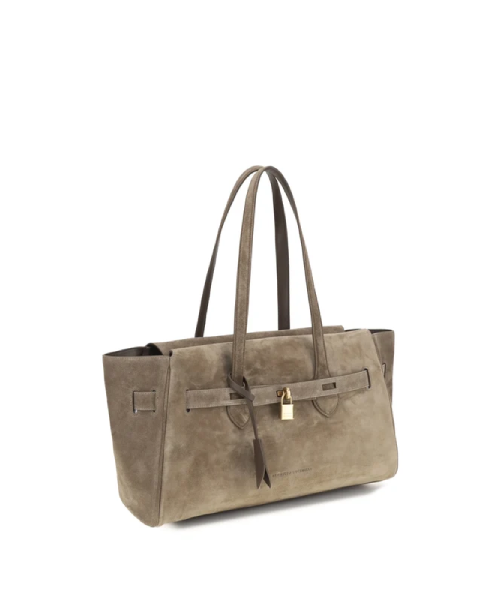
The category with the best combination of savings and low return risk — accessories don’t require precise fitting the way clothing does, making the returns complexity less relevant.
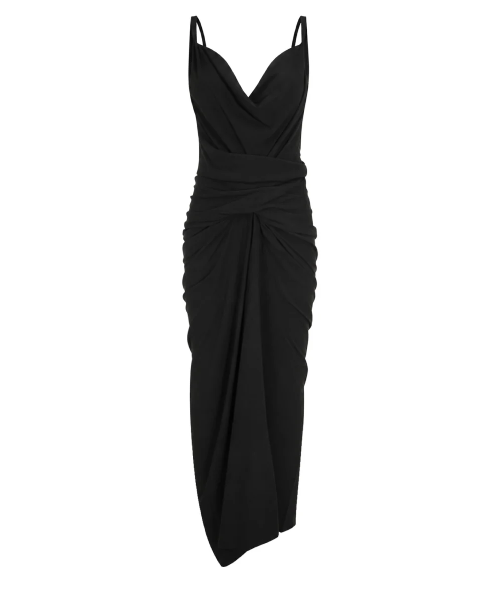
Smaller Italian labels that aren’t widely distributed internationally benefit from Italist’s platform reach. Unique pieces not available from major US luxury retailers.
“Snagged a Fendi mohair outfit at prices you usually only see at Bloomingdales — but significantly cheaper. Arrived from different boutiques seamlessly.” — RealReviews verified buyer
“Prices are unbelievable for such top-notch brands. Holiday 2025 service was quick and helpful. Italist is an experience, not just a store.” — RealReviews verified buyer
“Returns through Italian customs took three weeks and I owed duties on the returned item. The savings on the original purchase made it worth it overall, but I wouldn’t return casually.” — FashionHaulClub reader
“Selection on French brands is thin. Great for Italian labels, but if you want Saint Laurent or Celine specifically, Farfetch is a better option.” — Reddit, r/femalefashionadvice
“Authenticity is legitimate — buying from real Italian boutiques makes this question a non-issue, unlike some grey-market competitors.” — FindAReferralCode reviewer
Yes — for buyers confident in their sizing and targeting Italian luxury brands where the savings justify the return complexity. Not ideal for buyers who change their mind frequently or need fast domestic returns.
Competitors Comparison:
Feature | Italist | Farfetch | Net-a-Porter | Mytheresa | Matches | SSENSE |
Source | Italian boutiques | Global boutiques | Own inventory | Own inventory | Own inventory | Own inventory |
Price Advantage | Up to 40% | Varies | Full retail | Full retail | Full retail | Varies |
In-Season | Yes | Yes | Yes | Yes | Yes | Yes |
Returns | Italian customs | Easier | Easy | Easy | Easy | Easy |
Italian Brand Depth | Excellent | Good | Good | Excellent | Good | Moderate |
Authenticity | Verified | Verified | Verified | Verified | Verified | Verified |
Yes. Italist sources from authorized Italian boutiques. The authenticity concern is a non-issue given the business model — you’re buying from the same retailers Italian shoppers use.
Potentially yes, depending on order value and your country. Factor import duties into your total cost comparison before assuming the listed price is your final cost.
Returns are processed through Italian customs, which takes longer than domestic returns and may incur additional costs. Returns are accepted but require planning — this is not a casual “try it and see” platform
Because items may be stocked at different Italian boutique partners. This is normal marketplace behavior, not a fulfillment error.
Some, but the selection reflects Italian boutique buying preferences. For strong French house coverage (Hermès, Saint Laurent, Celine), Farfetch or Net-a-Porter offer broader options.
Final Verdict:
Italist is a genuinely useful platform for buyers who know exactly what they want, are confident in their sizing, and are targeting Italian luxury brands where the pricing advantage is real and meaningful. The savings are legitimate — 40% below US retail on current-season Fendi or Bottega Veneta is not a manufactured comparison. The authenticity is unquestionable given the business model. And for buyers who are comfortable with a slightly more complex purchase process, the platform delivers something that’s genuinely hard to find elsewhere: Italian boutique pricing on luxury goods without flying to Milan.
The return friction is the real limitation, and it’s worth taking seriously. Italist works best for buyers treating purchases as decisions they’ve already made rather than options they’re exploring. If there’s meaningful uncertainty about size, color, or fit, the return process adds cost and complexity that can erode the original savings. Buy with intention, know your measurements, and Italist becomes one of the smartest luxury shopping tools available to non-European buyers.
Scorecard:
Category | Score |
Price Advantage | 9.0/10 |
Product Authenticity | 9.5/10 |
Selection Breadth | 8.0/10 |
Italian Brand Depth | 9.0/10 |
Returns Process | 5.5/10 |
Customer Service | 6.5/10 |
Shipping Speed | 7.5/10 |
Overall Value | 7.5/10 |
Overall | 7.4/10 |