

Yoga has many benefits for the mind and body. From reducing stress and anxiety to improving flexibility and strength, yoga can help you achieve a healthy lifestyle. While many people practice yoga indoors, practicing outside can provide a unique experience that enhances your practice. Setting up a yoga space in your yard is a great way to connect with nature and create a peaceful environment for your practice. Here are some tips to help you set up a yoga space in your yard.
Choose the Right Spot: The first step in setting up a yoga space in your yard is to choose the right spot. You want to choose a spot that is flat and level, with enough space to accommodate your yoga mat. Ideally, the area should be free of distractions and noise, such as a busy road or barking dogs. Consider the view, whether it be a beautiful garden or a scenic landscape, and position your mat to face it. If you have trees or other natural features nearby, you can use them to create a natural barrier that enhances your privacy.
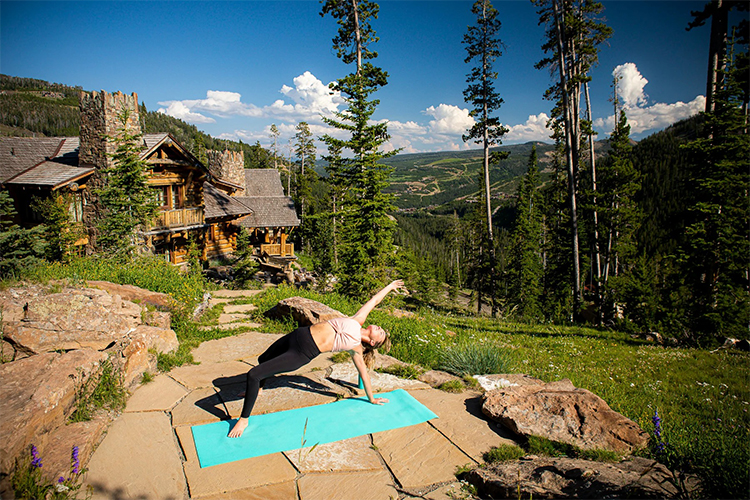
Clear the Area: Once you have chosen the right spot, the next step is to clear the area. Remove any debris, rocks, or branches that may be in the way. Rake the area and make sure it’s free of any hazards that could cause injury during your practice. You can also add mulch, gravel, or sand to create a flat, even surface.
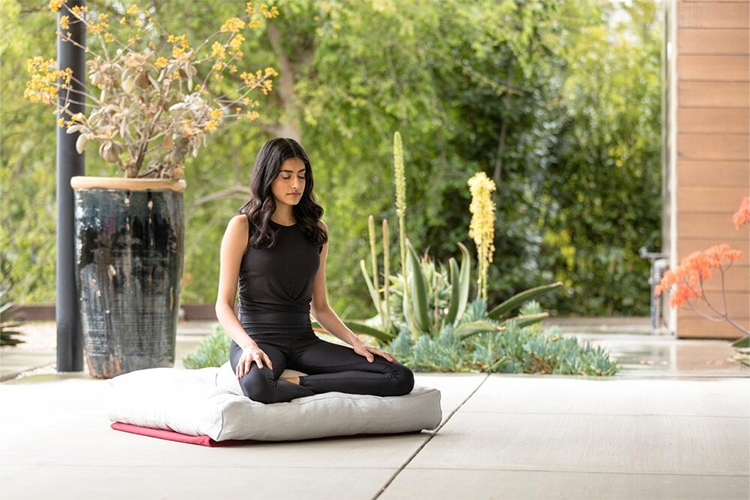
Add Natural Elements: One of the great things about practicing yoga outside is the opportunity to connect with nature. Add natural elements such as plants, flowers, or even a water feature to create a peaceful and serene environment. You can also add a bench, hammock, or swing for relaxation after your practice. When selecting plants, choose varieties that are low maintenance and thrive in your climate. If you live in a dry climate, consider adding succulents or cacti. If you live in a wet climate, choose plants that can withstand frequent rain and humidity.
Provide Shade: Depending on where you live, the sun can be intense and make your yoga practice uncomfortable. To combat this, provide shade for your yoga space. You can use an umbrella, awning, or a shade sail to provide shade and protect you from the sun’s harmful rays. If you want to create a more permanent shade structure, consider installing a pergola or trellis. You can also grow vines or climbing plants on the structure to create a natural shade cover.
Create a Boundary: To create a designated space for your yoga practice, create a boundary. You can use garden stones, decorative fencing, or even potted plants to mark the perimeter of your yoga space. This not only adds to the aesthetics of your space but also creates a sense of privacy and intimacy. If you have children or pets, creating a boundary also helps keep them out of your yoga space.
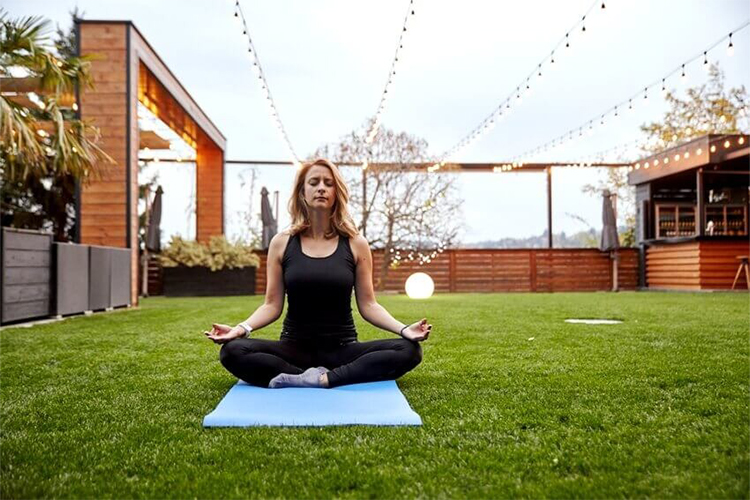
Incorporate Lighting: If you plan on practicing yoga in the evening, incorporate lighting into your space. This not only adds ambiance but also ensures safety during your practice. Solar-powered garden lights, string lights, or lanterns are great options to add soft lighting to your space. You can also install low voltage landscape lighting to create a dramatic effect.
Consider the Weather: Before you start setting up your yoga space, consider the weather conditions in your area. If you live in an area with extreme temperatures or frequent rainfall, you may need to make adjustments to your setup to accommodate for these conditions. For example, you may need to invest in a waterproof cover for your mat or adjust the shade structure to provide better protection from the sun.
Add Aromatherapy: Aromatherapy can be a great addition to your yoga practice. You can add essential oils to a diffuser or burn incense to create a calming and relaxing atmosphere. Some scents that are commonly used in yoga practice include lavender, peppermint, and eucalyptus.
Incorporate Soundscapes: Adding soundscapes to your yoga practice can enhance your experience and help you relax. You can use a small speaker to play calming music or nature sounds, such as rainforest sounds or ocean waves. Some people also enjoy listening to guided meditations or yoga nidra sessions.
Consider the Bugs: Depending on where you live, bugs can be a major distraction during your yoga practice. Consider using natural insect repellents, such as citronella candles or essential oils, to keep bugs at bay. You can also invest in mosquito netting to create a bug-free zone for your practice.
Add Seating: In addition to your yoga mat, consider adding seating to your yoga space. A comfortable chair or bench can be a great place to relax and reflect after your practice. You can also use seating to meditate or read before or after your practice.
Consider Landscaping: You can enhance your yoga space by incorporating landscaping elements. Planting flowers, shrubs, or trees around your yoga space can create a calming and peaceful atmosphere. Consider choosing plants that are known for their soothing scents or calming properties, such as lavender, jasmine, or chamomile.
Add a Water Feature: The sound of running water can be very soothing and can help create a peaceful atmosphere for your yoga practice. Consider adding a small fountain or water feature to your yoga space to enhance the relaxation and tranquility of your practice.
Choose Eco-Friendly Materials: When setting up your yoga space, choose materials that are environmentally friendly and sustainable. Consider using natural materials, such as bamboo, cork, or jute, for your yoga mat or props. You can also use recycled materials, such as old pallets, to create seating or a boundary for your yoga space.
Incorporate Natural Light: Natural light can enhance your yoga practice and help you feel more connected to the outdoors. Consider setting up your yoga space in a location that receives natural light, such as under a tree or near a window. You can also use sheer curtains or a shade structure to filter the natural light and create a softer, more diffused light.
Invest in Quality Equipment: Lastly, invest in quality equipment. A good quality yoga mat, block, and strap are essential for your practice. Look for eco-friendly and sustainable options when purchasing equipment to align with your values. You can also invest in other yoga props, such as bolsters, blankets, and meditation cushions, to enhance your practice.
In conclusion, setting up a yoga space in your yard is a great way to connect with nature and create a peaceful environment for your practice. Choose the right spot, clear the area, add natural elements, provide shade, create a boundary, incorporate lighting, and invest in quality equipment to create the perfect yoga space in your yard. Practicing yoga outside can provide a unique experience that enhances your practice and allows you to connect with nature. Follow these tips and create a space that inspires you to practice regularly and achieve your health and wellness goals.