
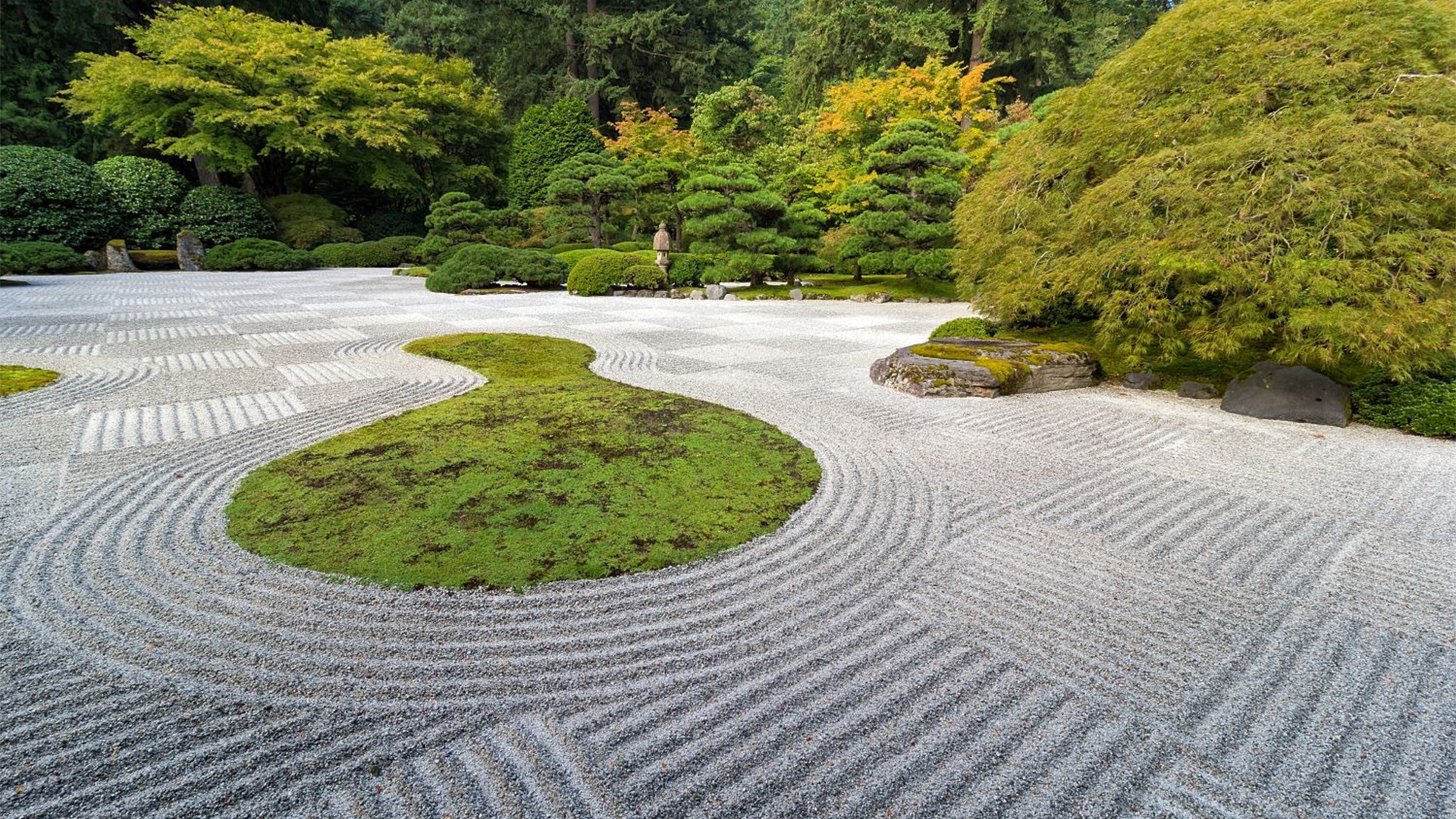
In our busy lives, finding a moment of peace and tranquility can be a challenge. However, creating a zen garden can provide a relaxing and meditative space that can help to alleviate stress and promote well-being. Zen gardens, also known as Japanese rock gardens, are a form of traditional Japanese garden that emphasize simplicity and minimalism. In this article, we will guide you through the process of creating a zen garden for relaxation and meditation.
Step 1: Choose the Location
The first step in creating a zen garden is to choose a suitable location. Ideally, the garden should be in a quiet and secluded area, away from the hustle and bustle of daily life. The garden should be easily accessible and visible, so that it can be enjoyed from both inside and outside the house. If you have a small space, you can create a mini zen garden on a table or in a container.
Step 2: Select the Elements
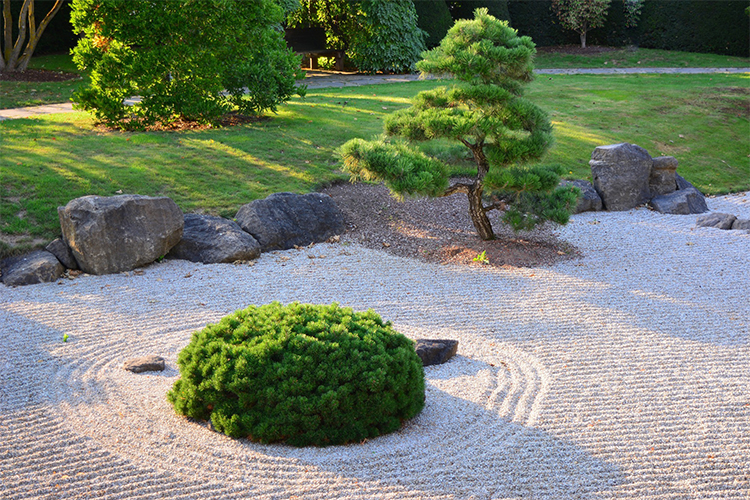
The next step is to select the elements that will make up your zen garden. Traditionally, zen gardens are made up of rocks, sand, and gravel. Rocks are used to create the main structure of the garden, while sand and gravel are used to represent water and other natural elements. Other common elements include plants, lanterns, and small statues.
Step 3: Design the Layout
Once you have selected the elements, it’s time to design the layout of your zen garden. The key is to keep things simple and symmetrical. Start by placing the largest rocks in the center of the garden, and then arrange the smaller rocks and other elements around them. Use a rake to create patterns in the sand and gravel, such as waves or circles.
Step 4: Add Plants
Adding plants to your zen garden can help to bring a sense of life and vitality to the space. Choose plants that are easy to care for and that complement the overall design of the garden. Some popular options include moss, ferns, and small bonsai trees.
Step 5: Maintain the Garden
it’s important to maintain your zen garden to keep it looking its best. This includes regularly raking the sand and gravel to create new patterns, as well as trimming and watering any plants in the garden. You may also want to periodically clean the rocks and other elements to keep them looking clean and polished.
Step 6: Choose the Right Materials
When selecting the materials for your zen garden, it’s important to choose materials that are visually appealing and complement the overall design of the garden. Rocks should be selected for their shape, texture, and color. Sand and gravel should be a neutral color and a consistent grain size. It’s also important to select materials that are durable and weather-resistant, as your garden will be exposed to the elements.
Step 7: Consider the Sound of Water
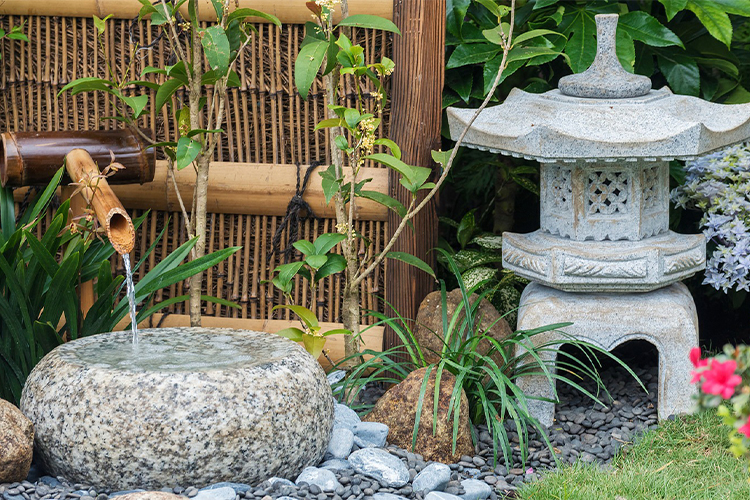
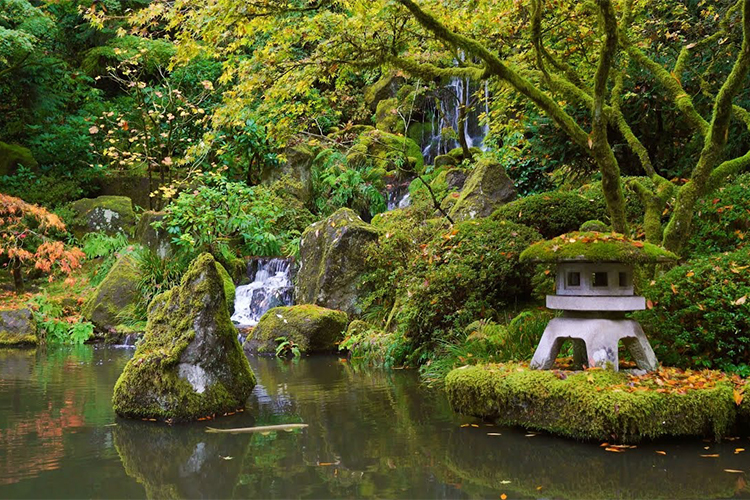
In traditional Japanese gardens, water is an important element that is often represented by sand or gravel. However, adding a small water feature, such as a fountain or pond, can help to create a soothing and relaxing atmosphere. The sound of flowing water can help to mask other noises and promote a sense of calmness.
Step 8: Create a Focal Point
Creating a focal point in your zen garden can help to draw the eye and create a sense of balance and harmony. This could be a large rock or boulder, a small statue, or a carefully placed lantern. By creating a focal point, you can give your garden a sense of purpose and meaning.
Step 9: Use Lighting to Enhance the Atmosphere
Lighting can be used to enhance the atmosphere of your zen garden. Soft, warm lighting can help to create a peaceful and relaxing ambiance, while bright, white lighting can be used to highlight specific features, such as rocks or plants. Solar-powered lights are a great option for outdoor zen gardens, as they are energy-efficient and easy to install.
Step 10: Use Contrast
Using contrast in your zen garden can help to create a sense of depth and visual interest. This can be achieved by using different sizes and shapes of rocks, or by incorporating different colors and textures of sand or gravel. Experiment with different combinations to find the look that works best for you.
Step 11: Keep it Simple
One of the key principles of zen garden design is simplicity. Avoid cluttering your garden with too many elements, and focus on creating a clean and minimalist look. This will help to promote a sense of calmness and serenity, and make your garden more conducive to relaxation and meditation.
Step 12: Choose the Right Plants
When selecting plants for your zen garden, choose varieties that are low-maintenance and require little water. Succulents, moss, and small bonsai trees are all great options that will thrive in a zen garden environment. Avoid plants that are prone to shedding leaves or producing flowers, as this can create a cluttered and messy look.
Step 13: Personalize Your Garden
Your zen garden should be a reflection of your personality and style. Don’t be afraid to personalize your garden with unique touches that speak to you. This could be a small statue or figurine, a set of wind chimes, or a collection of decorative rocks. Adding personal touches to your garden can make it feel more special and meaningful.
Step 14: Make it a Regular Practice
Finally, to truly reap the benefits of your zen garden, make it a regular practice to spend time there. Whether you use your garden for meditation, quiet reflection, or simply to unwind after a long day, setting aside regular time to spend in your garden can help to promote a sense of calmness and inner peace. Make it a part of your daily routine and reap the benefits of this simple yet powerful practice.
Creating a zen garden for relaxation and meditation can be a wonderful way to bring a sense of peace and tranquility into your life. By following these tips and guidelines, you can create a beautiful and serene space that promotes well-being and harmony. So why not give it a try and see what a zen garden can do for you?