
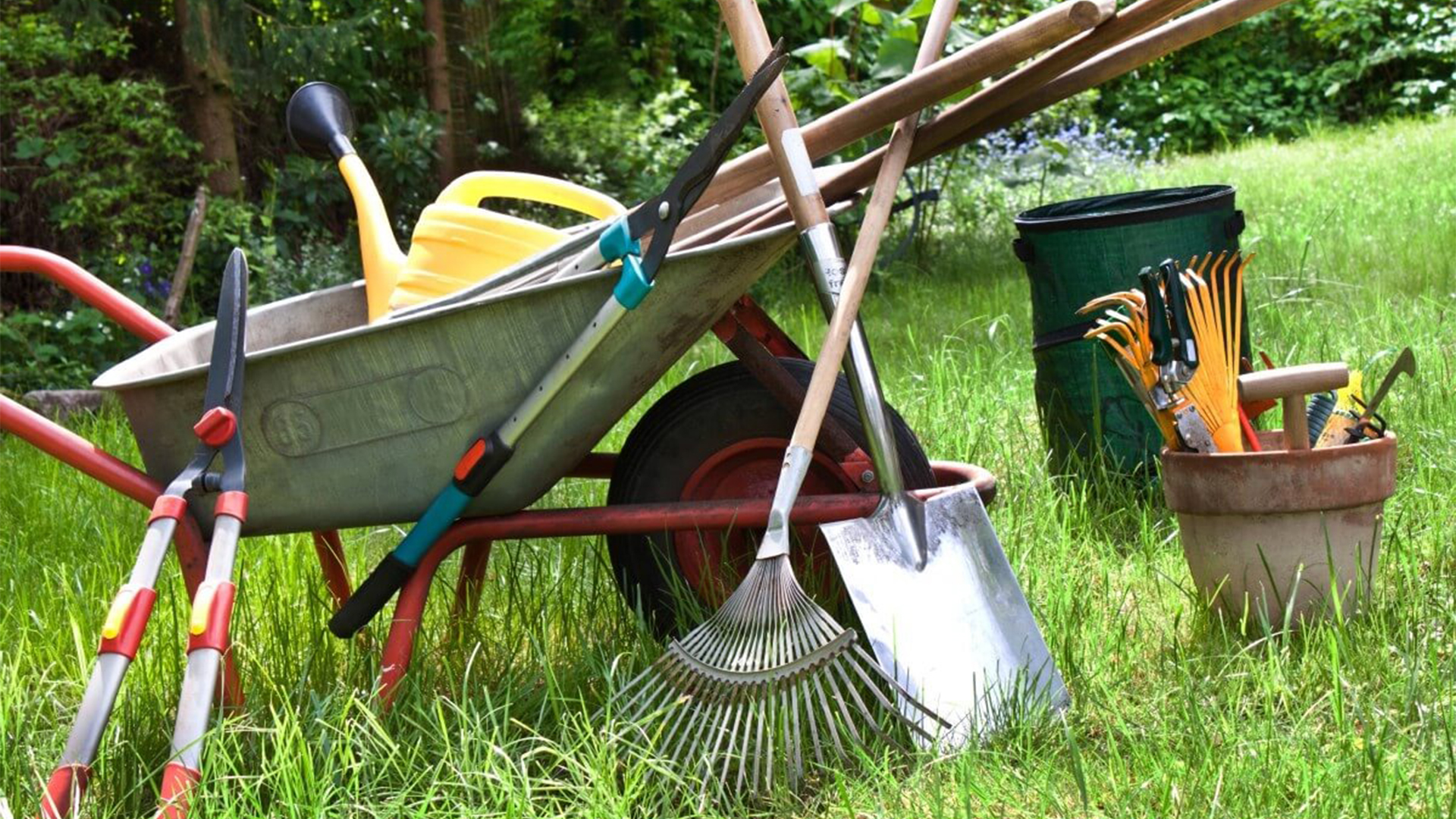
Gardening can be an enjoyable and rewarding hobby, but it’s important to take good care of your tools to ensure they last for many years. Proper maintenance and care can also improve the efficiency and effectiveness of your tools, making gardening easier and more enjoyable. Here are some tips on how to care for and maintain your garden tools.
Clean Your Tools Regularly
The first step in caring for your garden tools is to clean them regularly. After each use, remove any dirt or debris from your tools with a stiff brush or rag. If your tools have been exposed to moisture or soil, wipe them down with a dry cloth before storing them.
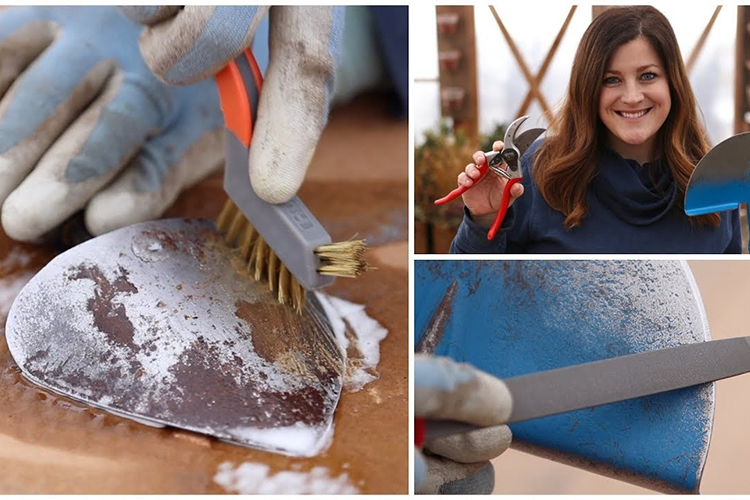
When cleaning tools, make sure to pay special attention to areas where dirt and debris can accumulate, such as the blades of pruners and shears. Use a wire brush or steel wool to remove any rust or corrosion, and apply a lubricating oil to prevent future rust.
Sharpen Blades
Sharp blades are essential for efficient gardening, as they require less effort and produce cleaner cuts. Most garden tools, including pruners, loppers, and hedge shears, can be sharpened with a file or sharpening stone.
When sharpening your tools, be sure to follow the manufacturer’s instructions and use the appropriate angle for the tool’s blade. After sharpening, wipe the blade with a clean cloth to remove any metal shavings.
Oil Moving Parts
Many garden tools, such as pruning shears and loppers, have moving parts that require lubrication to prevent rust and wear. Apply a few drops of oil to the moving parts of your tools, such as the joint where the blades meet, and any springs or pivot points.
When applying oil, be sure to use a lubricant that is specifically designed for gardening tools. Avoid using household oils or lubricants, as they may not be suitable for outdoor use and could damage your tools.
Store Your Tools Properly
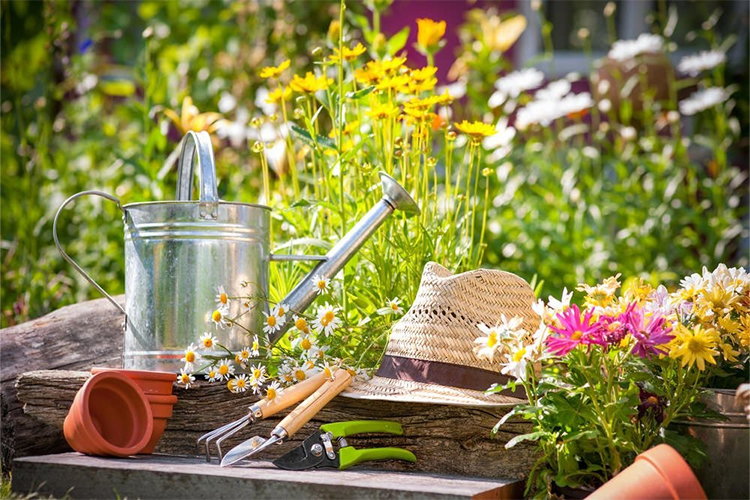
Proper storage is essential for maintaining the quality and longevity of your garden tools. After cleaning and oiling your tools, store them in a dry, cool place to prevent rust and corrosion.
If possible, hang your tools on a pegboard or wall rack to keep them organized and easily accessible. Alternatively, you can store your tools in a toolbox or storage container, but be sure to include a desiccant or silica gel packet to absorb moisture.
Replace Broken or Damaged Parts
If you notice any broken or damaged parts on your garden tools, it’s important to replace them as soon as possible. Continuing to use damaged tools can not only be inefficient but also dangerous.
Most garden tool manufacturers offer replacement parts, and many parts can be easily replaced with a few simple tools. Before purchasing replacement parts, be sure to consult the manufacturer’s instructions or seek professional assistance if needed.
Protect Handles From Moisture and Sunlight
Most garden tool handles are made of wood, plastic, or rubber, which can become damaged when exposed to moisture or sunlight. To protect the handles of your tools, store them in a dry place out of direct sunlight. You can also apply a coat of linseed oil or varnish to wooden handles to prevent them from cracking or splitting.
If you have a lot of garden tools, consider investing in a storage system that can accommodate multiple tools in one place. For example, a wall-mounted tool rack or a rolling garden tool cart can keep your tools organized and easily accessible while protecting them from damage.
Disinfect Tools After Use
Many garden tools can harbor harmful bacteria, fungi, or plant diseases, which can spread to other plants if not properly disinfected. To disinfect your tools, wipe them down with a cloth soaked in a 10% bleach solution or rubbing alcohol. Be sure to rinse the tools with water and dry them thoroughly before storing them.
If you work with diseased plants, it’s a good idea to have a separate set of tools that you use only for those plants. This will prevent the spread of disease to healthy plants and prolong the life of your tools.
Use Proper Technique
Using proper technique when using your garden tools can help prevent damage and wear. For example, when digging with a shovel, avoid hitting rocks or other hard objects, which can dull the blade or bend the handle. When pruning with shears, avoid twisting the blades or cutting through branches that are too thick, as this can damage the blades.
Use Protective Coatings
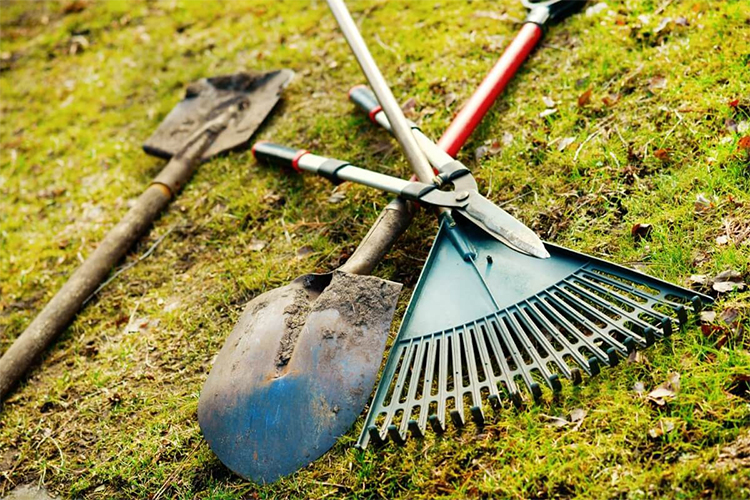
Protective coatings can help prevent rust and corrosion on your garden tools, which can prolong their life and improve their performance. A coat of wax or oil can be applied to metal parts, such as blades and springs, to prevent rust and corrosion.
For wooden handles, you can apply a coat of linseed oil or varnish to prevent them from cracking or splitting. Plastic or rubber parts can be protected with a silicone spray or a plastic protectant.
Store Tools in a Dry Place
Proper storage is crucial for maintaining the quality and longevity of your garden tools. After cleaning and disinfecting your tools, store them in a dry, cool place, out of reach of children and pets. This will prevent rust and corrosion and protect your tools from damage.
You can store your tools in a toolbox, storage container, or on a pegboard or wall rack, depending on your preference. Be sure to include a desiccant or silica gel packets in the storage container to absorb any moisture that may be present.
Regularly Inspect Your Tools
Regularly inspecting your garden tools can help you identify any issues before they become a bigger problem. Check for loose handles, bent blades, worn-out springs, or any other signs of wear or damage. If you notice any problems, address them immediately.
Additionally, make sure to keep your tools clean and free of dirt and debris after each use. This will prevent dirt and debris from building up on the tools and causing rust or other damage.
In conclusion, caring for and maintaining your garden tools is essential for ensuring their longevity and effectiveness. By following these tips, you can protect your investment and keep your garden tools in good working order for many years to come. Remember to protect handles from moisture and sunlight, keep blades sharp, disinfect tools after use, replace worn or damaged parts, use protective coatings, store tools in a dry place, and regularly inspect your tools. Happy gardening!