
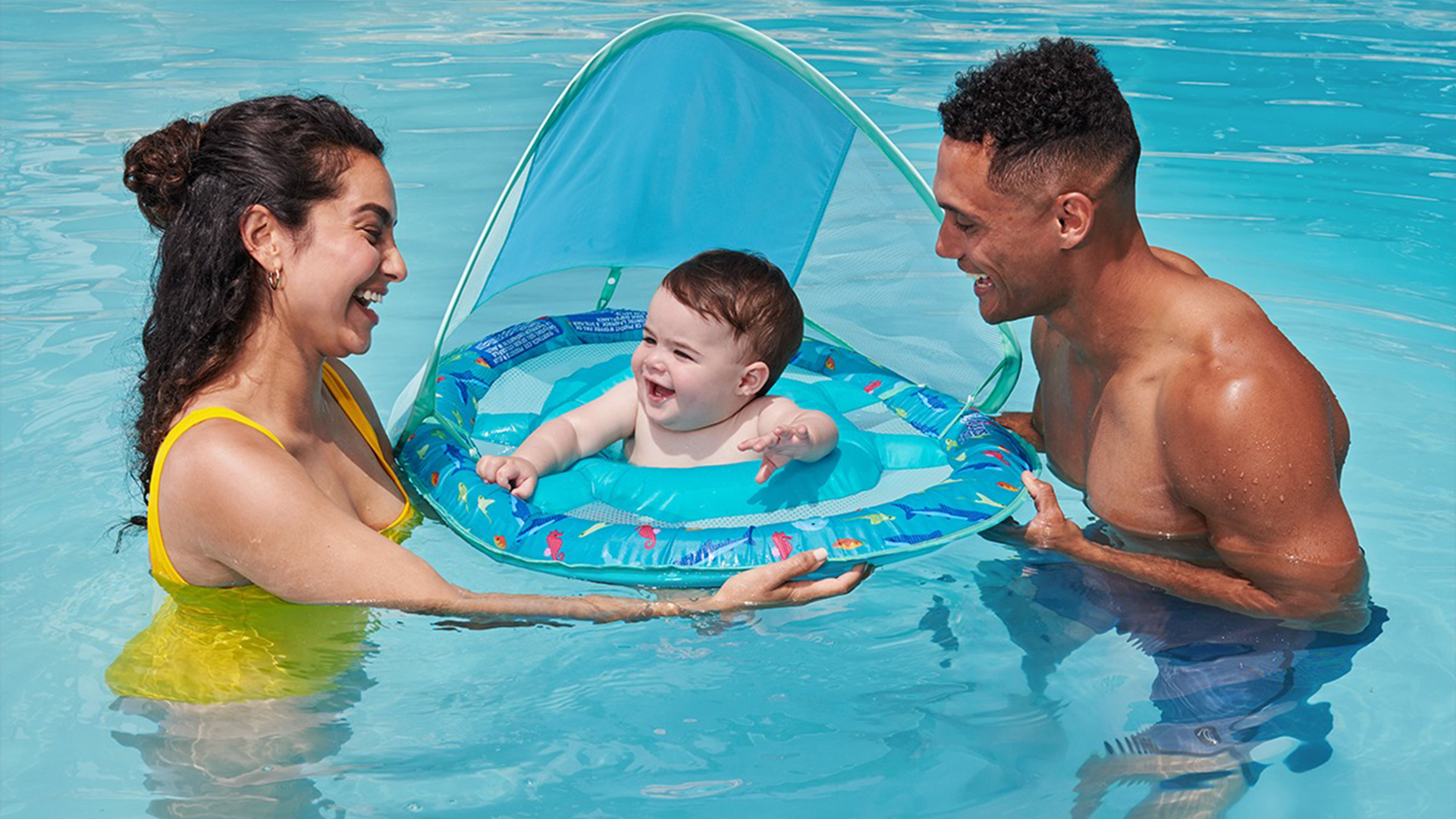
Swimming is a fun and healthy activity that can be enjoyed by people of all ages. However, it can also be dangerous, especially for children who are not yet strong swimmers. As a parent, it is your responsibility to ensure that your child is safe while swimming. Here are some swimming safety tips for parents and kids.
Swim in designated areas
Always make sure that you and your child swim in designated areas that are supervised by lifeguards. These areas are typically marked by ropes, buoys, or flags. Swimming in unauthorized areas can be dangerous as there may be hidden rocks, currents, or other hazards.
Never swim alone
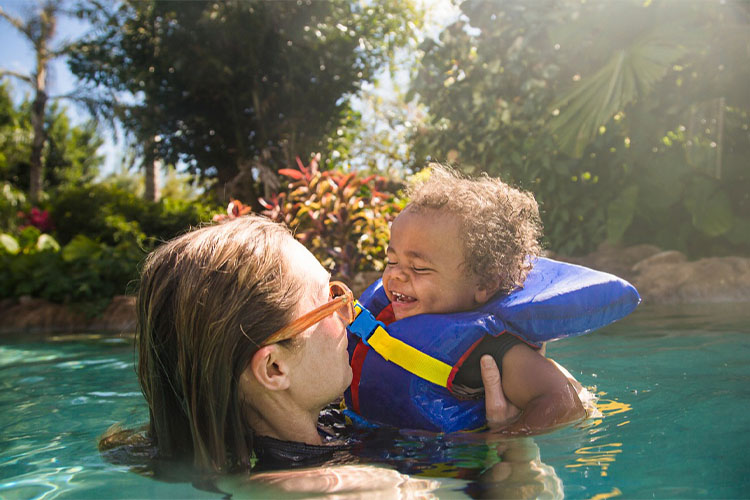
Children should never be allowed to swim alone. They should always be supervised by a responsible adult who knows how to swim. If you are not a strong swimmer, do not attempt to supervise children in the water. Instead, hire a certified lifeguard to watch over your children.
Learn to swim
The best way to prevent drowning is to learn how to swim. Enroll your child in swimming lessons at a reputable swim school. Even if your child knows how to swim, it is important to continue practicing and improving their skills.
Wear appropriate swimwear
Make sure your child wears appropriate swimwear that fits well and does not restrict their movement. Avoid loose-fitting clothing that can become tangled in pool drains or other hazards. Additionally, make sure your child wears a swim cap to prevent hair from obstructing their vision.
Use sunscreen
Sunburn can ruin a day of swimming and can be very painful. Always apply sunscreen with at least SPF 30 to your child’s skin before swimming. Reapply every two hours, or more frequently if your child has been in the water for a long time.
Follow pool rules
Every pool has its own set of rules, such as no diving or no running. Make sure your child understands and follows these rules. Reinforce the importance of following pool rules to keep themselves and others safe.
Stay hydrated
Swimming can be dehydrating, especially on a hot day. Make sure your child drinks plenty of water before, during, and after swimming. Bring a water bottle with you to the pool and encourage your child to take frequent water breaks.
Know CPR
In the event of an emergency, knowing CPR can save a life. Take a CPR course to learn this valuable skill. It is important to note that CPR should only be performed by trained individuals.
Be aware of signs of distress
Drowning can happen quickly and quietly. Be aware of the signs of distress, such as coughing, gasping, or a change in behavior. If you see someone struggling in the water, alert a lifeguard or call 911 immediately.
Never leave children unattended
This is the most important rule of swimming safety. Never leave children unattended in or near the water, even if they are wearing flotation devices. Accidents can happen quickly and without warning, so always keep a watchful eye on your child.
Be prepared for emergencies
Accidents can happen even when all safety precautions are taken. Make sure to always have a first aid kit, a phone to call for help, and emergency contact information readily available. It is also important to know where the nearest medical facilities are located in case of an emergency.
Check the water conditions
Always check the water conditions before entering any body of water. Look for signs of dangerous currents, strong waves, or murky water. If the water conditions seem unsafe, it is best to stay out of the water until it is safe to swim.
Avoid alcohol and drugs
Consuming alcohol or drugs while swimming can be incredibly dangerous. It impairs judgment, balance, and coordination, making it difficult to react quickly in case of an emergency. If you plan on swimming, it is best to avoid alcohol and drugs altogether.
Teach your child to float and tread water
Teaching your child to float and tread water can be life-saving skills. In case of exhaustion or a cramp, being able to float and tread water can keep them afloat while they catch their breath or wait for help.
Use flotation devices
Flotation devices such as life jackets, floaties, or pool noodles can provide an extra layer of safety for children who are not strong swimmers. However, it is important to remember that these devices are not substitutes for adult supervision.
Shower before entering the water
Showering before entering the water can help remove any dirt, sweat, or bacteria from the skin. This can help prevent the spread of illnesses and maintain the cleanliness of the pool or beach.
Never dive into shallow water
Diving into shallow water can cause serious injuries such as head or spinal cord injuries. Always check the water depth before diving and only dive into deep water.
Keep an eye on the weather
Be aware of the weather conditions before entering any body of water. Thunderstorms, lightning, and heavy winds can make swimming unsafe. If you hear thunder or see lightning, it is best to leave the water and seek shelter immediately.
Practice safe boating
If you plan on boating, make sure to always wear a life jacket and follow boating safety guidelines. Keep a close eye on the weather conditions and avoid boating during severe weather.
Be mindful of pool drains
Pool drains can be dangerous if not covered properly. Make sure your child knows to stay away from pool drains and to never play with or touch them.
Have a designated water watcher
When children are in or near the water, there should always be an adult designated as the “water watcher.” This person’s sole responsibility is to watch the children and ensure their safety. Rotate this duty among adults to avoid fatigue and ensure consistent supervision.
Learn basic first aid
In case of an emergency, knowing basic first aid can make all the difference. Take a first aid course to learn how to respond to water-related emergencies and potentially save a life.
By following these swimming safety tips, you can ensure that you and your family have a safe and enjoyable experience while swimming. Always remember to prioritize safety, be aware of your surroundings, and never leave children unattended. With these tips in mind, you can make the most of your time in the water and create fun memories that will last a lifetime.