
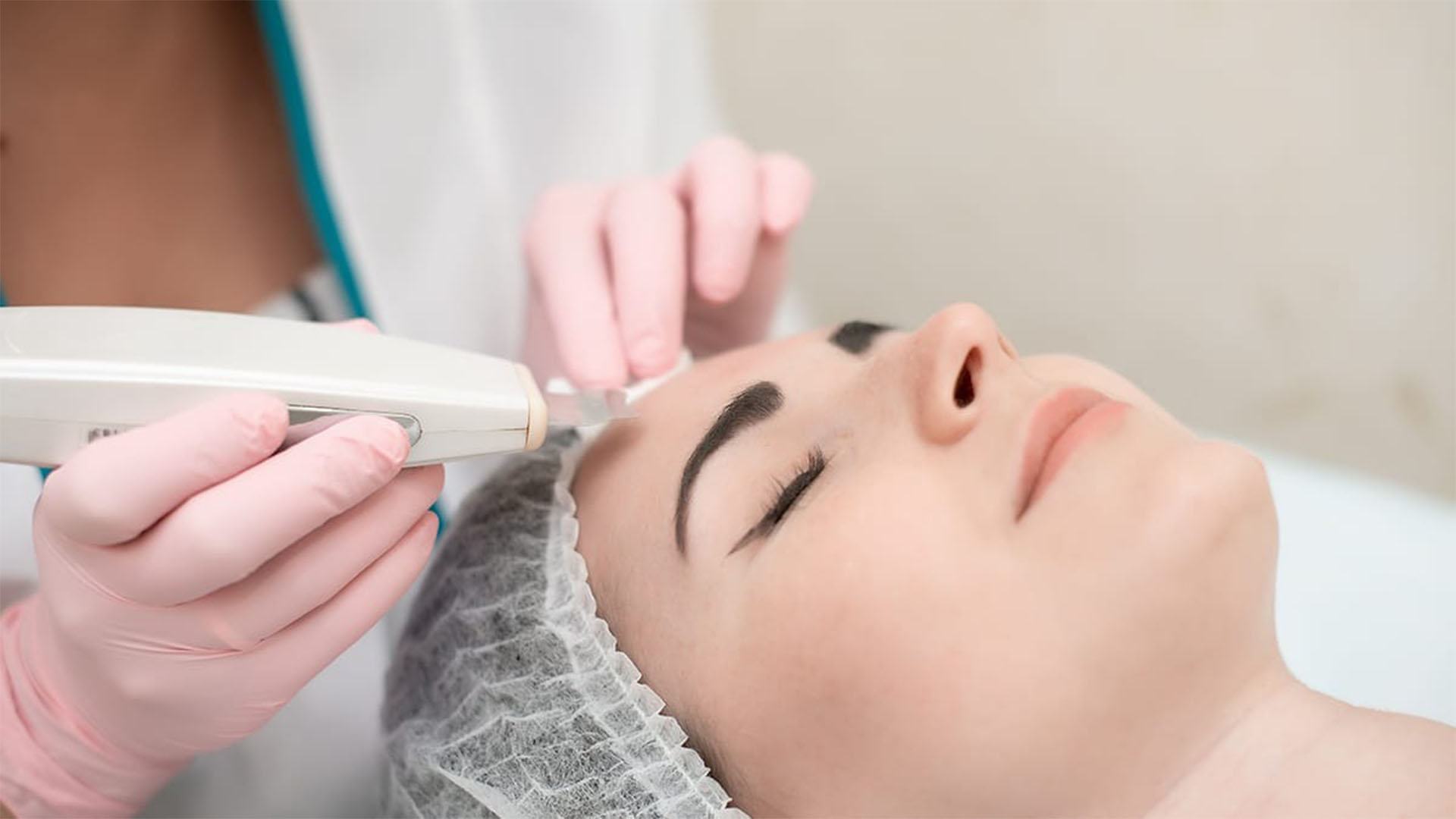
Skincare treatments have become increasingly popular in recent years, as people look for ways to maintain healthy, youthful-looking skin. There are a variety of skincare treatments available, each with their own unique benefits and drawbacks. In this article, we will explore the pros and cons of various skincare treatments.
Facials
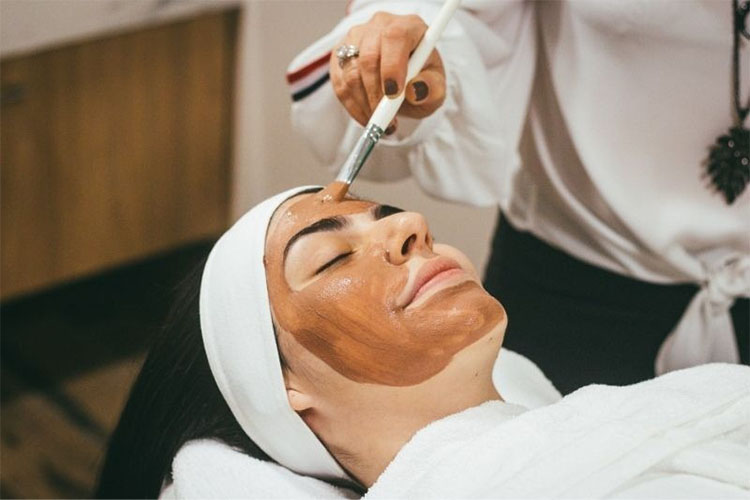
Facials are a popular skincare treatment that involves a professional applying a combination of exfoliants, masks, and other treatments to the face. The purpose of a facial is to deep-cleanse the skin, remove dead skin cells, and rejuvenate the complexion. The benefits of facials include:
Pros:
Facials can help to improve the texture and appearance of the skin.
They can help to unclog pores and reduce acne breakouts.
Facials can help to boost circulation and promote healthy, radiant skin.
Facials can be customized to address specific skin concerns, such as fine lines, wrinkles, or hyperpigmentation.
Cons
Facials can be expensive and may not be covered by insurance.
Some people may experience redness or irritation after a facial.
The results of a facial are temporary and may require ongoing treatments to maintain.
Chemical Peels
Chemical peels involve the application of a chemical solution to the skin, which exfoliates the top layer of skin and stimulates new skin growth. Chemical peels can be used to treat a variety of skin concerns, including acne, sun damage, and fine lines and wrinkles.
Pros:
Chemical peels can improve the texture and tone of the skin.
They can reduce the appearance of fine lines and wrinkles.
Chemical peels can help to reduce the appearance of acne scars.
They can be customized to address specific skin concerns.
Cons:
Chemical peels can be painful and require downtime for healing.
They can cause redness, peeling, and irritation.
They can be expensive and may not be covered by insurance.
The results of a chemical peel are temporary and may require ongoing treatments to maintain.
Laser Treatments
Laser treatments involve the use of high-energy light to treat a variety of skin concerns, including wrinkles, acne, and hyperpigmentation. Laser treatments can be performed on the face, neck, chest, and hands.
Pros:
Laser treatments can improve the texture and appearance of the skin.
They can reduce the appearance of fine lines and wrinkles.
Laser treatments can help to reduce the appearance of scars and hyperpigmentation.
They can be customized to address specific skin concerns.
Cons:
Laser treatments can be painful and require downtime for healing.
They can cause redness, peeling, and irritation.
Laser treatments can be expensive and may not be covered by insurance.
The results of a laser treatment are temporary and may require ongoing treatments to maintain.
Microdermabrasion
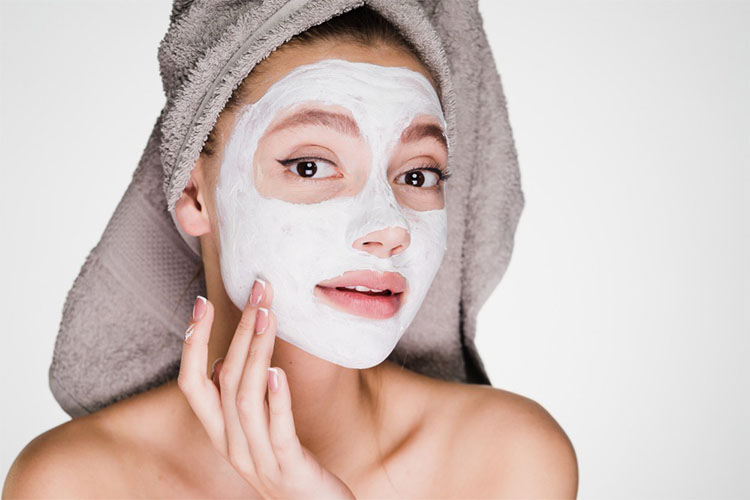
Microdermabrasion involves the use of a small, handheld device that exfoliates the top layer of skin. This treatment can help to improve the texture and tone of the skin, reduce the appearance of fine lines and wrinkles, and unclog pores.
Pros:
Microdermabrasion can improve the texture and appearance of the skin.
They can reduce the appearance of fine lines and wrinkles.
Microdermabrasion can help to unclog pores and reduce acne breakouts.
They can be customized to address specific skin concerns.
Cons:
Microdermabrasion can be painful and may cause redness and irritation.
They can be expensive and may not be covered by insurance.
The results of microdermabrasion are temporary and may require ongoing treatments to maintain.
Botox
Botox is a cosmetic treatment that involves the injection of a neurotoxin into the skin to temporarily paralyze muscles and reduce the appearance of wrinkles and fine lines.
Pros:
Botox can reduce the appearance of wrinkles and fine lines.
It can be used to treat specific areas, such as crow’s feet or frown lines.
Botox is a relatively quick and painless treatment.
Results can last for several months.
Cons:
Botox can be expensive and may not be covered by insurance.
It can cause side effects such as headaches, bruising, or muscle weakness.
Results are not permanent and require ongoing treatments to maintain.
It can be overused or applied incorrectly, leading to a frozen or unnatural appearance.
Dermal Fillers
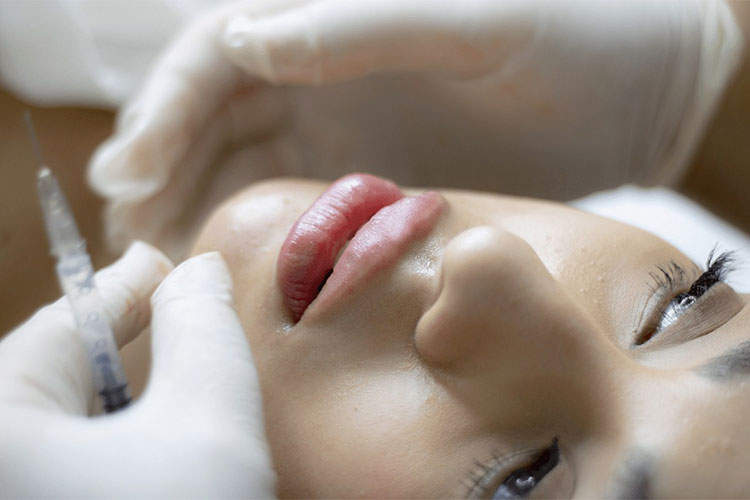
Dermal fillers are injectable substances, such as hyaluronic acid, that can be used to add volume to the skin and reduce the appearance of wrinkles and fine lines.
Pros:
Dermal fillers can add volume to the skin and reduce the appearance of wrinkles and fine lines.
They can be used to treat specific areas, such as lips or cheeks.
Results are immediate and can last for several months.
Cons:
Dermal fillers can be expensive and may not be covered by insurance.
They can cause side effects such as bruising or swelling.
Results are not permanent and require ongoing treatments to maintain.
It can be overused or applied incorrectly, leading to an unnatural appearance.
Retinoids
Retinoids are a type of vitamin A derivative that can be applied topically to the skin to improve its appearance. Retinoids can help to reduce the appearance of fine lines and wrinkles, improve skin texture, and reduce the appearance of acne.
Pros:
Retinoids can improve the texture and appearance of the skin.
They can reduce the appearance of fine lines and wrinkles.
Retinoids can help to reduce the appearance of acne.
They can be used over the long-term to maintain healthy skin.
Cons:
Retinoids can cause irritation, redness, and peeling.
They can make the skin more sensitive to sunlight.
Retinoids can be expensive and may require a prescription.
It may take several weeks or months to see results.
Chemical Sunscreens
Chemical sunscreens contain compounds that absorb UV rays and prevent them from damaging the skin. Chemical sunscreens are typically more effective than physical sunscreens but can be more irritating to sensitive skin.
Pros:
Chemical sunscreens can provide broad-spectrum protection against UV rays.
They are lightweight and easy to apply.
Chemical sunscreens are often water-resistant.
Cons:
Chemical sunscreens can be irritating to sensitive skin.
They can cause allergic reactions in some people.
Chemical sunscreens can have environmental effects, such as bleaching coral reefs.
They may require reapplication throughout the day.
Physical Sunscreens
Physical sunscreens contain ingredients that reflect or scatter UV rays away from the skin. They can be less irritating to sensitive skin but may not provide as much protection as chemical sunscreens.
Pros:
Physical sunscreens can provide broad-spectrum protection against UV rays.
They are less irritating to sensitive skin.
Physical sunscreens have a longer shelf life than chemical sunscreens.
Cons:
Physical sunscreens can leave a white cast on the skin.
They can be heavier and less comfortable to wear than chemical sunscreens.
Physical sunscreens may not provide as much protection as chemical sunscreens.
They may require reapplication throughout the day.
In conclusion, there are a variety of skincare treatments available, each with its own unique benefits and drawbacks. The choice of treatment will depend on an individual’s skin concerns, preferences, and budget. It is important to discuss the risks and benefits with a dermatologist or skincare professional before starting any new treatment. Additionally, it is important to keep in mind that skincare treatments are not a one-size-fits-all solution and may require a combination of treatments and lifestyle changes to achieve optimal results.