

Oily skin can be frustrating to deal with. It can lead to acne breakouts, clogged pores, and a shiny complexion that can make you feel self-conscious. If you’re tired of dealing with oily skin, there are several things you can do to help reduce the amount of oil your skin produces. In this article, we’ll take a look at some tips for saying goodbye to oily skin for good.
Cleanse regularly
One of the most important steps in controlling oily skin is to cleanse your face regularly. Use a gentle cleanser twice a day, in the morning and evening, to help remove excess oil, dirt, and impurities from your skin. Avoid using hot water as it can strip your skin of its natural oils, which can actually make your skin produce more oil.

Use a toner
A toner can help to remove any remaining dirt or impurities on your skin after cleansing. Look for a toner that contains ingredients like salicylic acid or glycolic acid, which can help to unclog pores and reduce oil production. Apply the toner with a cotton ball or pad after cleansing.
Moisturize regularly
It may seem counterintuitive to moisturize oily skin, but it’s actually an important step in keeping your skin balanced. Use a lightweight, oil-free moisturizer to help keep your skin hydrated without adding excess oil. Look for a moisturizer that contains ingredients like hyaluronic acid, which can help to hydrate the skin without adding oil.
Use blotting papers
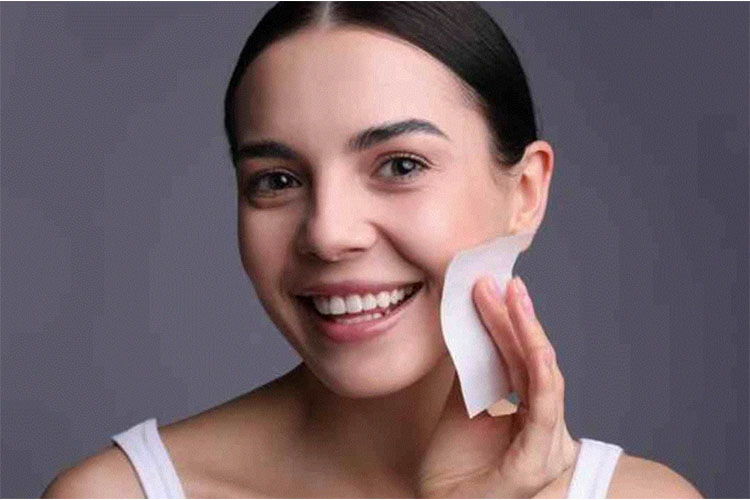
If you’re out and about and notice your skin getting oily, use blotting papers to quickly absorb the excess oil. Blotting papers are a great option for on-the-go touch-ups, as they can help to remove excess oil without disrupting your makeup.
Avoid heavy makeup
Heavy, oil-based makeup can contribute to oily skin. Instead, look for oil-free or water-based makeup products that won’t clog your pores or add excess oil to your skin. Mineral-based makeup can also be a good option for oily skin, as it tends to be more lightweight and natural-looking.
Exfoliate regularly
Exfoliating can help to remove dead skin cells and unclog pores, which can help to reduce oil production. Use a gentle exfoliating scrub once or twice a week to help keep your skin smooth and clear. Avoid using harsh scrubs or exfoliators, as they can irritate the skin and lead to more oil production.
Watch what you eat
What you eat can also have an impact on your skin. Foods that are high in sugar, processed foods, and fried foods can all contribute to oily skin. Instead, focus on eating a healthy, balanced diet that includes plenty of fruits, vegetables, and lean proteins.
Use a clay mask
Clay masks can be very effective in reducing excess oil production. Look for a mask that contains ingredients like kaolin or bentonite clay, which can help to absorb excess oil and unclog pores. Use a clay mask once or twice a week to help keep your skin balanced.
Don't over-wash your face
While it’s important to cleanse your skin regularly, it’s also important not to over-wash your face. Over-washing can strip your skin of its natural oils, which can actually lead to more oil production. Stick to cleansing your face twice a day, and avoid using harsh or abrasive cleansers.
Stay hydrated
Drinking plenty of water can help to keep your skin hydrated and balanced. When your skin is dehydrated, it can actually produce more oil to compensate. Aim to drink at least 8 glasses of water a day, and avoid sugary or caffeinated drinks, which can dehydrate your skin.
Use sunscreen
Sun damage can actually lead to more oil production, so it’s important to protect your skin with sunscreen. Look for a sunscreen that is oil-free and non-comedogenic, which means it won’t clog your pores. Apply sunscreen daily, even on cloudy days or when you’re indoors, as UV rays can penetrate through windows.
Manage stress
Stress can also contribute to oily skin, as it can trigger the production of certain hormones that can increase oil production. Try to manage stress through activities like exercise, yoga, meditation, or deep breathing. Getting enough sleep and practicing good sleep hygiene can also help to reduce stress and promote healthy skin.
Seek professional help
If you’ve tried these tips and are still struggling with oily skin, it may be time to seek professional help. A dermatologist can help to diagnose any underlying skin conditions that may be contributing to your oily skin, and can recommend targeted treatments or medications. They can also recommend specific skincare products that are tailored to your skin type and concerns.
Use gentle cleansers
Using a gentle cleanser is one of the most important steps in managing oily skin. Look for a cleanser that is formulated for oily or acne-prone skin, and avoid harsh or abrasive ingredients like alcohol, fragrances, or sulfates. Cleansing twice a day, in the morning and at night, can help to remove excess oil and prevent buildup in your pores.

Use lightweight moisturizers
While it may seem counterintuitive, using a moisturizer can actually help to control oily skin. When your skin is dehydrated, it can actually produce more oil to compensate. Look for a lightweight moisturizer that is oil-free and non-comedogenic, which means it won’t clog your pores. Apply moisturizer after toner or serum, and before sunscreen.
Use blotting papers
Blotting papers can be a quick and easy way to remove excess oil from your skin throughout the day. Look for blotting papers that are made with natural ingredients like rice or charcoal, which can help to absorb oil without stripping your skin of its natural moisture. Blot gently on areas that tend to get oily, like your forehead, nose, and chin.
In conclusion, managing oily skin can be a challenge, but it’s not impossible. By following these tips, you can help to reduce oil production and keep your skin balanced and healthy. Remember to use gentle cleansers, toners, and moisturizers, avoid heavy makeup, exfoliate regularly, watch what you eat, use a clay mask, don’t over-wash your face, stay hydrated, use sunscreen, manage stress, and seek professional help if needed. With a little bit of effort and patience, you can say goodbye to oily skin for good.