
Physical exercise is an important aspect of maintaining a healthy lifestyle. It helps to build strength, flexibility, and endurance. However, with physical exercise comes the risk of injury. If you have suffered an injury during a workout, it is important to take the necessary steps to recover properly. In this article, we will share tips on recovering from workout injuries.
Seek Professional Medical Advice
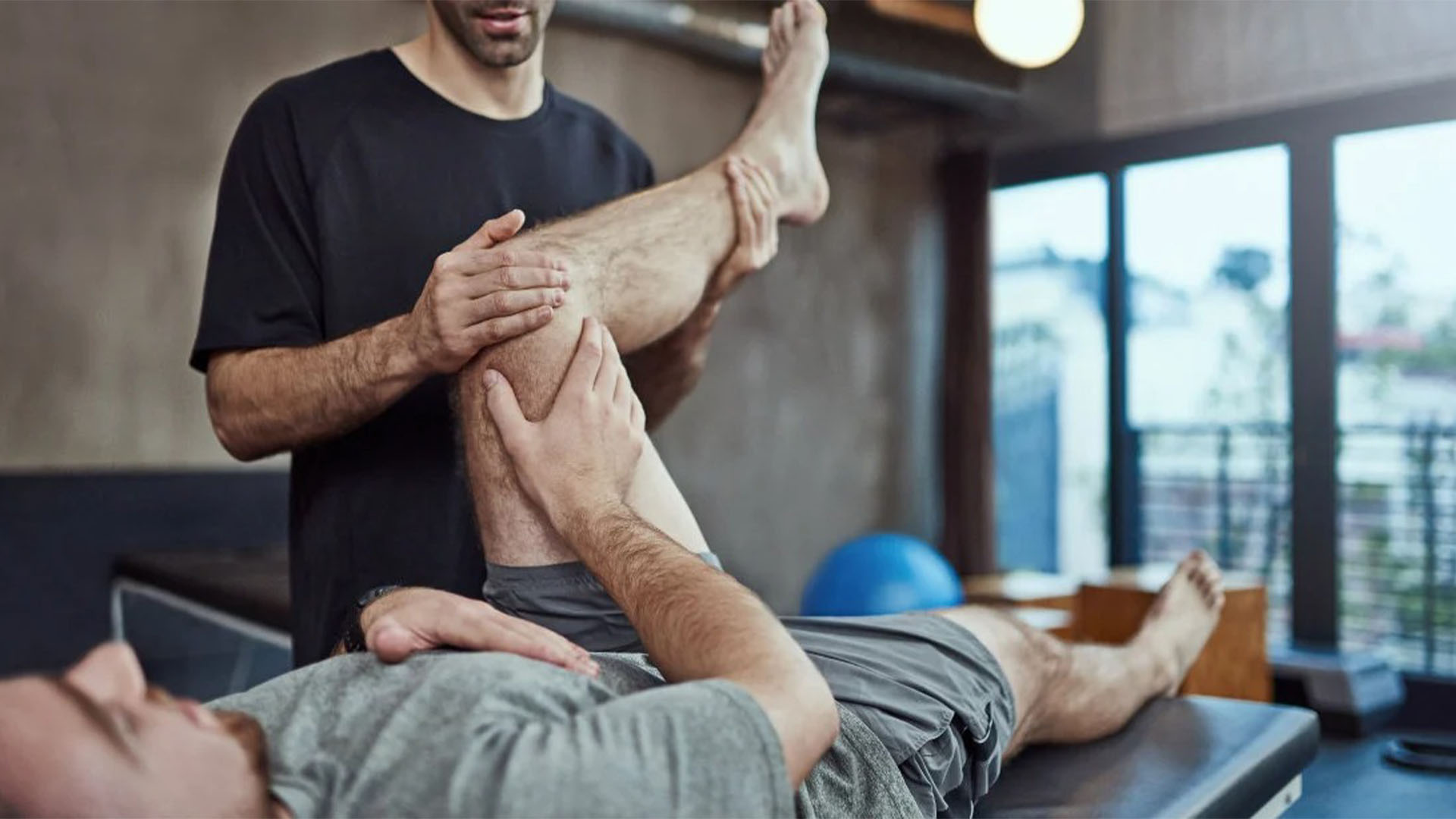
If you have suffered an injury during a workout, the first step you should take is to seek professional medical advice. This is important to accurately assess the extent of the injury and receive proper medical treatment. A doctor or a physiotherapist will be able to advise you on the best course of treatment, which may include medication, rest, or physical therapy.
Rest
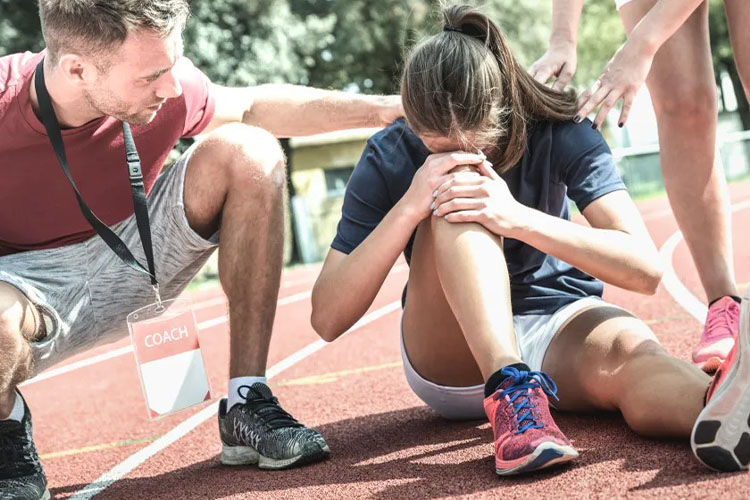
Rest is a critical component of the recovery process. It is important to allow your body time to heal and recover from the injury. Depending on the severity of the injury, your doctor or physiotherapist may advise you to avoid any physical activity for a period of time. Make sure you follow their advice and give your body the rest it needs.
Ice and Compression
Ice and compression can be effective in reducing swelling and inflammation in the affected area. This can help to reduce pain and speed up the healing process. Apply an ice pack to the affected area for 20 minutes at a time, several times a day. You can also use compression bandages to help reduce swelling.
Physical Therapy
Physical therapy can be an effective way to recover from a workout injury. A physical therapist can help you to regain strength, flexibility, and range of motion in the affected area. They will work with you to develop a personalized rehabilitation program that is tailored to your specific needs.
Take it Slow
When you are ready to return to physical activity, it is important to take it slow. Start with low-intensity activities and gradually increase the intensity and duration over time. This will help to prevent re-injury and ensure that you are fully recovered before engaging in more strenuous activities.
Proper Nutrition
Proper nutrition is essential for the recovery process. Make sure you are getting enough nutrients, including protein, vitamins, and minerals, to support the healing process. Avoid junk food and focus on a healthy diet that includes plenty of fruits, vegetables, lean proteins, and whole grains.
Stay Positive
Recovering from a workout injury can be a frustrating and challenging process. It is important to stay positive and maintain a good attitude throughout the recovery process. This can help to reduce stress and anxiety and promote a faster recovery.
Stretching
Stretching is an important component of recovery from workout injuries. It helps to improve flexibility and range of motion in the affected area, and can also help to prevent future injuries. Make sure to stretch the affected area gently and avoid any stretches that cause pain.
Massage Therapy
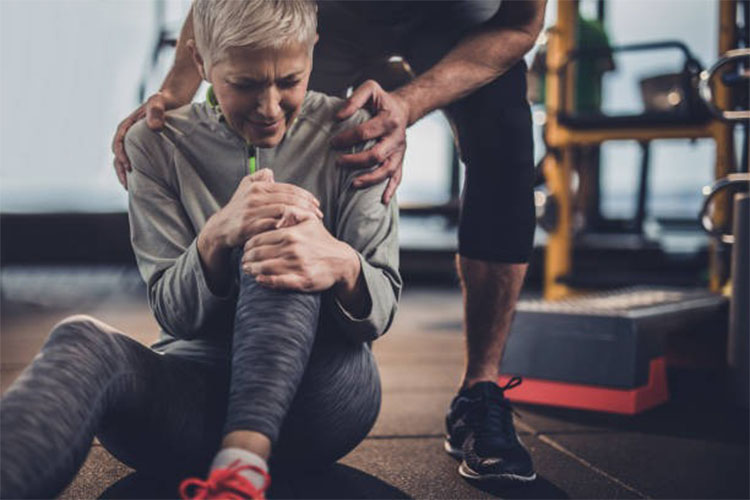
Massage therapy can be an effective way to recover from workout injuries. It can help to reduce pain and inflammation, and promote relaxation and healing. A licensed massage therapist can work with you to develop a personalized treatment plan that is tailored to your specific needs.
Cross-training
Cross-training can be an effective way to recover from a workout injury while still maintaining fitness. It involves engaging in different types of physical activity, such as swimming or cycling, that do not put pressure on the affected area. This can help to maintain cardiovascular fitness and prevent muscle atrophy while you are recovering.
Sleep
Getting enough sleep is an important component of the recovery process. It allows your body time to rest and heal, and can also help to reduce stress and anxiety. Make sure to get at least 7-8 hours of sleep each night, and avoid activities that interfere with sleep, such as using electronic devices before bed.
Mindfulness
Mindfulness practices, such as meditation and deep breathing, can be helpful in reducing stress and promoting relaxation during the recovery process. These practices can help to reduce anxiety and improve overall well-being, which can in turn promote faster healing.
Gradual Progression
When returning to physical activity after an injury, it is important to progress gradually. Start with low-intensity activities and gradually increase the intensity and duration over time. This will help to prevent re-injury and ensure that you are fully recovered before engaging in more strenuous activities.
Use Proper Equipment
Using proper equipment during physical activity can help to prevent injuries. Make sure to wear appropriate shoes, clothing, and protective gear, such as helmets or pads. Also, make sure that equipment is properly maintained and in good working order.
Don't Skip Warm-up and Cool-down
Skipping warm-up and cool-down can increase your risk of injury during physical activity. Make sure to warm up with some light stretching and cardio before engaging in physical activity, and cool down with some gentle stretching after your workout.
Hydration
Staying hydrated is essential for the recovery process. It helps to flush out toxins and promotes the delivery of nutrients and oxygen to the affected area. Make sure to drink plenty of water throughout the day, and avoid sugary or caffeinated beverages that can dehydrate you.
Listen to Your Body
Above all, it is important to listen to your body during the recovery process. If an activity causes pain or discomfort, stop immediately and consult with your doctor or physiotherapist. Pushing through the pain can lead to further injury and delay the recovery process.
In conclusion, recovering from workout injuries requires patience, perseverance, and a commitment to self-care. By following these tips, you can effectively recover from a workout injury and prevent future injuries. Seek professional medical advice, rest, ice and compress the affected area, consider physical therapy and massage therapy, take it slow when returning to physical activity, maintain a healthy diet and hydration, stay positive and mindful, and listen to your body. By taking these steps, you can promote faster healing and get back to your regular physical activities.