
Spring Sleep entered the sleep health market with a specific product claim — a non-invasive, daytime neuromuscular electrical stimulation device for treating mild obstructive sleep apnea and snoring, without the nightly discomfort of a CPAP machine or the permanence of surgical intervention. The device is clinically positioned, not just marketed, which distinguishes it from generic anti-snoring accessories. The brand’s aggregate rating of 4.0/5 reflects broadly positive user sentiment on ease of use and noticeable results. The documented requirement that sets practical expectations: daily use discipline is essential — stopping therapy causes results to diminish over time.
✅ Non-invasive daytime therapy — addresses mild OSA during waking hours, eliminating the CPAP discomfort that causes many patients to abandon treatment
✅ Clinical validation behind the device category — neuromuscular electrical stimulation for OSA has peer-reviewed research basis
✅ Users describe “fast results” in verified testimonials — snoring and sleep quality improvements reported within initial use period
✅ Easy to use confirmed by buyer consensus — the learning curve is minimal compared to CPAP equipment and adjustment
✅ Daytime-only application means no nighttime device discomfort, mask, hose, or machine noise in the bedroom
✅ Targets mild obstructive sleep apnea specifically — a real market gap between lifestyle interventions and CPAP prescription
✅ MyProsAndCons aggregate 4.0/5 rating reflects broadly positive user sentiment on product function
✅ Growing telehealth integration in the sleep health sector makes this product category increasingly accessible
❌ Results require daily discipline — stopping therapy leads to diminished benefits, meaning this is a long-term commitment, not a one-time fix
❌ Upfront cost is relatively high for a consumer wellness device — specific pricing varies but is characterized as a notable trade-off
❌ Only clinically appropriate for mild OSA — buyers with moderate-to-severe sleep apnea need CPAP or other clinical intervention, not this device
❌ Limited long-term public review volume compared to established sleep brands — the dataset for sustained multi-year user experience is smaller
❌ Not a substitute for a clinical sleep study diagnosis — buyers should have confirmed mild OSA before investing in device-based treatment
❌ Device requires consistent daily use to maintain efficacy — buyers who struggle with routine adherence may not see sustained results
Research from MyProsAndCons aggregate analysis and verified user testimonials. Note: Spring Sleep is a specialized health device — we recommend consulting a sleep physician before purchasing. No Spring Sleep commercial relationship.
Spring Sleep uses neuromuscular electrical stimulation (NMES) — a technology with established clinical use in physical therapy and rehabilitation — applied to the muscles of the tongue and upper airway. The concept is that strengthening these muscles during waking hours reduces the likelihood of airway collapse during sleep, which is the mechanism of obstructive sleep apnea. The device is used during the day, typically for a set session duration, and the muscular conditioning is intended to carry over into nighttime sleep position.
The device category — NMES for mild OSA — has peer-reviewed research support, which distinguishes Spring Sleep from lifestyle anti-snoring products with no clinical basis. The “Spring Sleep” branding and the eXciteOSA device category share common clinical territory. Buyers considering this product should ask for specific clinical study references and verify that the device has received relevant regulatory clearance in their market (FDA clearance in the US is the appropriate benchmark).
The dominant buyer experience is positive and practical: easy to use, fast to see initial snoring and sleep quality improvements, and comfortable because the device is used during the day rather than worn to bed. The consistency requirement is the most common note of practical concern — buyers who travel frequently or have irregular daily routines find daily adherence harder to maintain, and results diminish when they miss sessions. This isn’t a device failure — it reflects the nature of muscular conditioning therapy, which requires maintenance.
The upfront cost is characterized as high relative to consumer wellness devices, though specific pricing varies. The comparison point should be the cost of CPAP equipment, ongoing CPAP supplies (masks, filters, hoses), and sleep clinic follow-up appointments — against which the cost of a device-based daytime therapy becomes more favorable, particularly for mild OSA patients who are poor CPAP adherents.
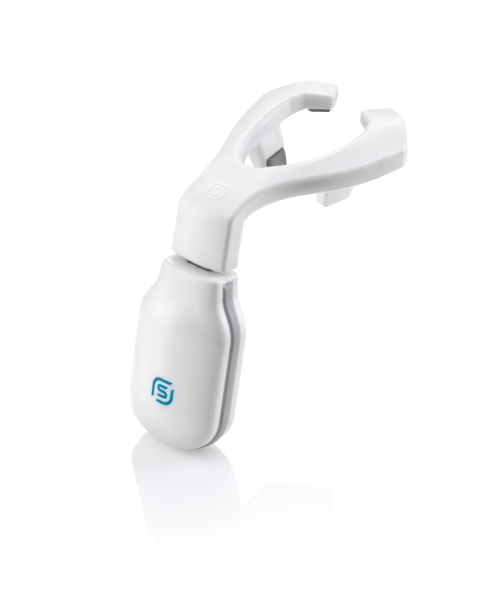
The primary product — the neuromuscular stimulation device for mild OSA daytime therapy. Most appropriate for buyers with confirmed mild obstructive sleep apnea who are CPAP-intolerant or seeking a non-CPAP first-line treatment. Consult a sleep physician before purchasing.
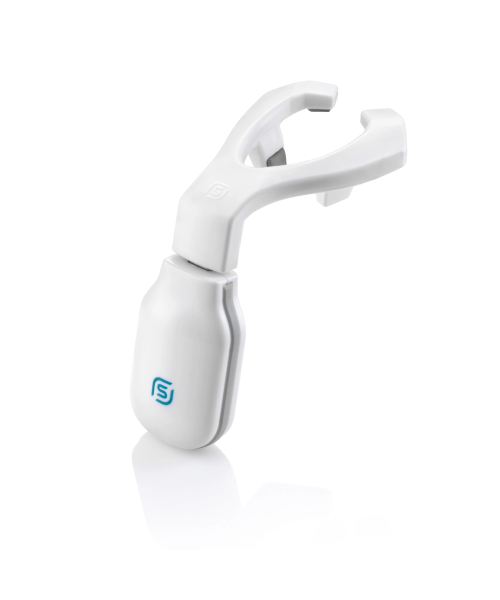
Any introductory bundle that includes the device plus guidance materials and session protocols. The structured onboarding is particularly useful for buyers new to NMES therapy who benefit from specific session guidance rather than self-directed use.
“Easy to use with fast results. I noticed a difference in my snoring within the first week.” — User testimonial, MyProsAndCons aggregate
“The fact that it’s a daytime device is the whole reason I tried it. I couldn’t sleep with a CPAP and gave up. This is actually workable.” — User testimonial, MyProsAndCons aggregate
“Results are real but you have to keep using it consistently. When I traveled and skipped a few days I could tell the difference.” — User testimonial
“Worth the investment if you actually commit to the daily routine. Biggest trade-off is the price upfront and the discipline required.” — User testimonial, MyProsAndCons
“Comfortable and simple to use. I appreciate that someone is developing technology that addresses mild OSA without immediately jumping to CPAP.” — User testimonial
Yes — for buyers with confirmed mild OSA who are CPAP-intolerant and committed to daily use. Not appropriate for moderate-to-severe OSA or buyers who can’t commit to consistent daily therapy adherence.
Competitors Comparison:
Feature | Spring Sleep | ResMed AirMini (CPAP) | Inspire (Surgery) | SnoreRx (MAD) | Sleep Strips | Good Morning Snore Solution |
Type | NMES Device | CPAP | Implant surgery | Mandibular device | Nasal strip | Tongue Stabilizer |
Target | Mild OSA | Mod-severe OSA | Mod-severe OSA | Snoring/mild OSA | Snoring | Snoring/mild OSA |
Invasiveness | Non-invasive | Non-invasive | Surgical | Non-invasive | Non-invasive | Non-invasive |
Nighttime Wear | No | Yes | No (internal) | Yes | Yes | Yes |
Clinical Evidence | Strong | Extensive | Extensive | Moderate | Minimal | Moderate |
Price Range | –$ $$$ | $$$$ (covered by insurance) | $ | $ | $ |
|
Spring Sleep is a brand offering a non-invasive daytime neuromuscular electrical stimulation device designed for mild obstructive sleep apnea and snoring treatment. The device is used during waking hours to strengthen upper airway muscles.
NMES technology has an established clinical safety record in physical therapy contexts. For OSA treatment specifically, verify the device’s regulatory clearance in your market and consult a sleep physician before use.
User testimonials report initial results within the first week. Sustained results require consistent daily use — the therapy functions as muscular conditioning that needs ongoing maintenance.
Only for mild OSA — Spring Sleep is not appropriate for moderate or severe sleep apnea. CPAP remains the clinical standard of care for those severity levels.
Check current regulatory requirements in your market. In some regions, devices targeting OSA require a prior clinical sleep study and physician consultation.
Final Verdict:
Spring Sleep addresses a real and underserved gap in the sleep health market — patients with mild obstructive sleep apnea who are unwilling or unable to tolerate CPAP therapy. The neuromuscular electrical stimulation approach has legitimate clinical foundation, the user experience is meaningfully better than nighttime devices (no mask, no hose, no machine noise), and the initial results reported by users are consistent with what the clinical mechanism would predict. For the right patient profile — confirmed mild OSA, CPAP-intolerant, able to commit to daily use — this is a genuinely compelling product in a category where few good options exist.
The non-negotiable caveat is clinical appropriateness. This device is designed for mild OSA specifically. Buyers who assume it addresses more severe presentations are putting themselves at risk by undertreatting a condition that can have serious cardiovascular consequences. Get a proper sleep study, confirm mild OSA as your diagnosis, consult your sleep physician about this device, and then evaluate whether the daily commitment and upfront cost are right for your situation. Done correctly, Spring Sleep represents one of the more interesting innovations in non-CPAP sleep therapy.
Scorecard:
Category | Score |
Clinical Evidence Base | 8.0/10 |
Ease of Use | 8.5/10 |
User-Reported Results | 7.5/10 |
Value for Money | 7.0/10 |
Commitment Required | 6.5/10 |
CPAP Alternative Value | 8.5/10 |
Product Range | 5.5/10 |
Accessibility & Support | 7.0/10 |
Overall | 7.5/10 |