

Gardening is an excellent way to grow your own food, create beautiful landscapes, and connect with nature. But have you ever considered the benefits of using organic methods in your garden? Organic gardening involves growing plants without synthetic fertilizers, pesticides, or genetically modified organisms (GMOs). In this article, we’ll explore the many benefits of using organic methods in your garden.
Better for the environment
Using organic methods in your garden is better for the environment because it doesn’t rely on synthetic chemicals that can harm the soil, water, and air. Chemical fertilizers and pesticides can also harm wildlife, including beneficial insects and birds. Organic gardening practices help to preserve biodiversity and create healthy ecosystems.
Healthier food
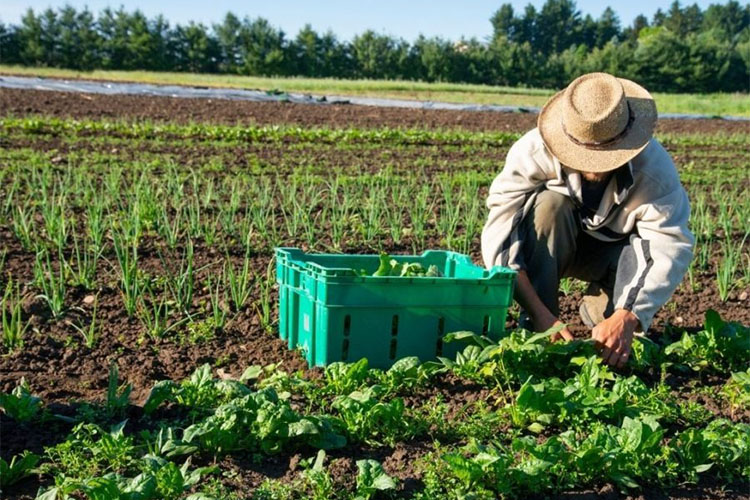
Organic gardening produces healthier food because it is grown without synthetic pesticides and fertilizers. These chemicals can leave residues on the food that can be harmful to humans. Organic food also contains more nutrients than conventionally grown food because the soil is healthier and more nutrient-rich.
Cost-effective
Organic gardening can be cost-effective because it relies on natural processes and materials. You can save money on fertilizers and pesticides by using compost, mulch, and natural pest control methods. Organic gardening also promotes soil health, which can reduce the need for costly soil amendments.
Builds soil health
Organic gardening practices help to build soil health by promoting the growth of beneficial microbes and organic matter. Healthy soil is essential for plant growth because it provides essential nutrients and water. Soil health also helps to prevent erosion, improve water retention, and reduce the need for irrigation.
Better for pollinators
Organic gardening is better for pollinators, such as bees and butterflies, because it avoids the use of synthetic pesticides and herbicides. These chemicals can harm pollinators and reduce their numbers. Organic gardens provide a habitat for pollinators and encourage their populations to thrive.
Increases biodiversity
Organic gardening practices help to increase biodiversity in the garden. This is because organic gardens provide a habitat for a variety of beneficial insects, birds, and other wildlife. These creatures help to control pests and promote plant growth, creating a healthy and diverse ecosystem.
Encourages sustainable practices
Organic gardening encourages sustainable practices by promoting the use of natural materials and reducing waste. Organic gardening involves composting, recycling, and using renewable resources such as rainwater. These practices help to reduce the environmental impact of gardening and promote sustainable living.
Promotes healthy living
Organic gardening promotes healthy living by providing fresh, nutritious food and encouraging outdoor activity. Gardening is a great way to get exercise and reduce stress. Eating fresh, organic produce also provides essential vitamins and minerals that can improve overall health.
Reduces the carbon footprint
Organic gardening practices help to reduce the carbon footprint by minimizing the use of fossil fuels in the production and transportation of synthetic fertilizers and pesticides. Organic gardening also promotes the use of renewable resources and encourages composting, which helps to sequester carbon in the soil.

Better tasting food
Organic gardening produces better-tasting food because it is grown in nutrient-rich soil without the use of synthetic chemicals. The flavor and aroma of organic produce are often more intense and satisfying than conventionally grown food. Plus, knowing that your food is free of harmful chemicals can enhance your enjoyment of it.
Helps to combat climate change
Organic gardening can help to combat climate change by promoting carbon sequestration in the soil. Healthy soil is a natural carbon sink, absorbing carbon from the atmosphere and storing it in organic matter. Organic gardening practices, such as composting and cover cropping, help to build soil health and increase carbon sequestration.
Promotes sustainable agriculture
Organic gardening promotes sustainable agriculture by emphasizing natural processes and materials. Sustainable agriculture practices are essential for long-term food security and environmental health. Organic gardening can serve as a model for sustainable agriculture and help to promote more responsible land use practices.
Reduces the risk of water pollution
Organic gardening practices help to reduce the risk of water pollution by minimizing the use of synthetic fertilizers and pesticides that can leach into groundwater and surface water. Organic gardening promotes healthy soil that can absorb and filter water, reducing the risk of runoff and erosion.
Enhances community well-being
Organic gardening can enhance community well-being by providing access to fresh, healthy food and encouraging social connections. Community gardens and urban farms promote community engagement and can help to address food insecurity in urban areas. Gardening can also provide therapeutic benefits, such as stress reduction and improved mental health.

Supports local economies
Organic gardening can support local economies by promoting local food systems and reducing the reliance on imported food. Organic gardening can also create opportunities for small-scale farmers and gardeners to sell their produce locally, contributing to the local economy.
Saves money
Organic gardening can save money in the long run by reducing the need for expensive synthetic fertilizers and pesticides. While organic methods may require more effort and time initially, the cost savings from not having to purchase synthetic chemicals can be significant over time. Plus, organic gardening promotes self-sufficiency and can provide a source of fresh, healthy food.
Promotes soil health
Organic gardening promotes soil health by encouraging the use of natural soil amendments, such as compost and cover crops. These amendments help to improve soil structure, increase water retention, and add essential nutrients to the soil. Healthy soil supports healthy plant growth and helps to prevent soil erosion.
Reduces exposure to harmful chemicals
Organic gardening reduces exposure to harmful chemicals, which can have negative impacts on human health. Exposure to synthetic pesticides and fertilizers has been linked to a range of health problems, including cancer, respiratory problems, and neurological damage. By using organic methods in your garden, you can reduce your exposure to these harmful chemicals and protect your health.
Improves air quality
Organic gardening can improve air quality by reducing the use of fossil fuels in the production and transportation of synthetic fertilizers and pesticides. Organic gardening also promotes the use of renewable resources, such as compost, which can help to sequester carbon in the soil. By reducing the use of synthetic chemicals, organic gardening can also help to reduce air pollution and improve respiratory health.
In conclusion, using organic methods in your garden provides numerous benefits for the environment, human health, and the economy. Organic gardening practices promote sustainability, biodiversity, and soil health while reducing exposure to harmful chemicals and saving money in the long run. By choosing to use organic methods in your garden, you can create a healthy, sustainable, and beautiful outdoor space for yourself and future generations.