
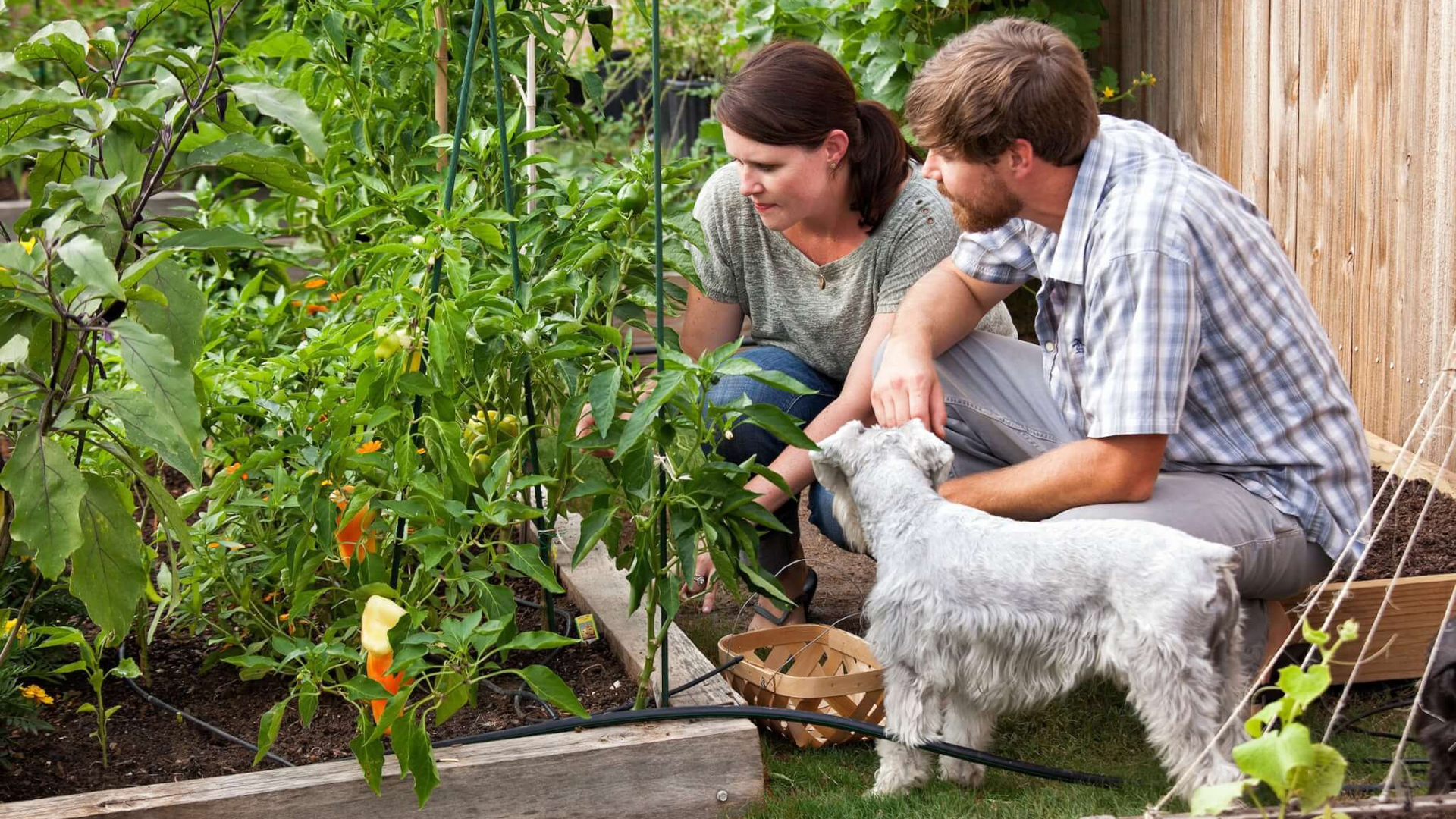
Growing a vegetable garden can be a rewarding and cost-effective way to ensure fresh, healthy produce is always available. However, it can be overwhelming to start and maintain a garden, especially for beginners. In this article, we will discuss the steps to maintain a simple vegetable garden and ensure a bountiful harvest.
Choose the Right Location
Choosing the right location is crucial for a successful vegetable garden. You want a spot with plenty of sunlight, at least six hours a day, and well-drained soil. The area should also be easily accessible for watering and weeding. If you don’t have a lot of space, consider container gardening or vertical gardening, which can work well in small spaces.
Plan and Prepare the Soil
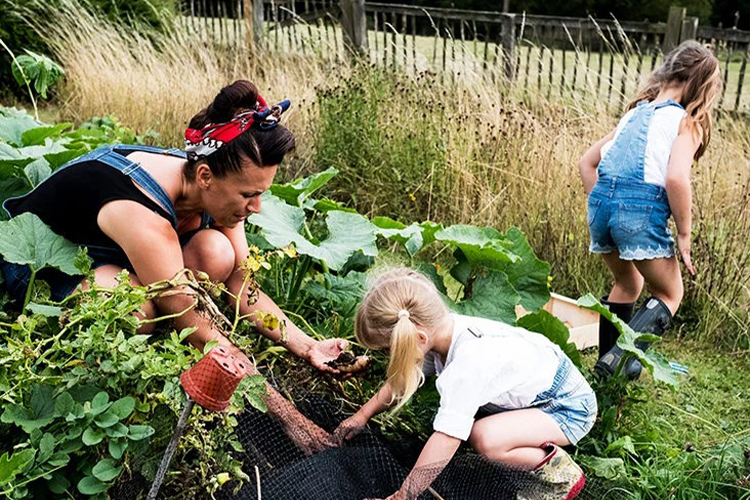
Before planting, it is important to prepare the soil. The soil should be rich in nutrients and loose enough to allow water and air to reach the roots of your plants. Start by removing any weeds and rocks from the area. Then, amend the soil with compost or other organic matter to improve its fertility and structure. A soil test kit can help you determine what nutrients your soil may be lacking.
Choose the Right Vegetables
Choosing the right vegetables is important for a successful garden. Consider the amount of space you have and the amount of sunlight your garden receives. Some vegetables require more sun than others, so choose vegetables that are suitable for your location. Also, consider the time of year and the length of your growing season. Vegetables like tomatoes, peppers, and cucumbers need a longer growing season, while lettuce and radishes can be grown quickly and harvested early in the season.
Plant and Water Properly
Once you have prepared the soil and chosen the right vegetables, it’s time to plant. Follow the instructions on the seed packets or plant labels to determine the appropriate spacing and depth for each plant. Water your garden regularly, but be careful not to overwater. Too much water can lead to root rot and other diseases.
Mulch and Fertilize
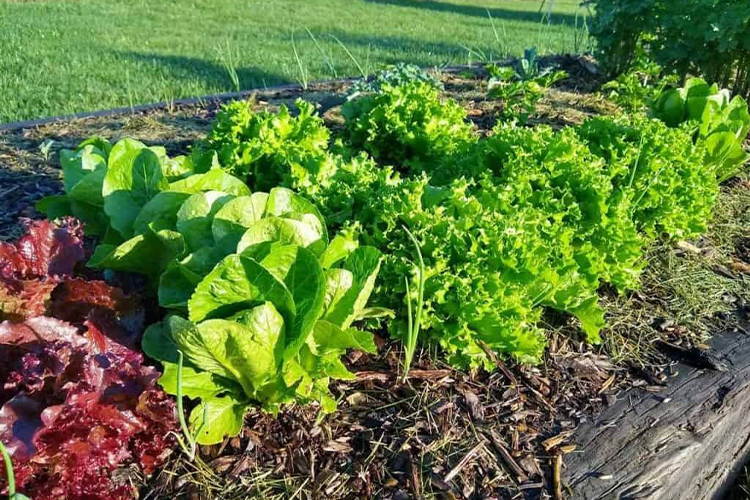
Mulching can help conserve water and suppress weeds in your garden. Use a layer of organic mulch, such as straw or leaves, to cover the soil around your plants. This will also help to maintain a consistent soil temperature. Additionally, fertilize your plants with a balanced fertilizer or compost every few weeks to ensure they are getting the nutrients they need.
Control Pests and Diseases
Keeping pests and diseases at bay is crucial for a healthy garden. Use organic methods, such as handpicking insects or using insecticidal soap, to control pests. Rotate your crops every year to help prevent diseases from taking hold. If you do have a disease or pest problem, remove the affected plants promptly to prevent the spread.
Regularly Weed
Weeds compete with your vegetables for water, sunlight, and nutrients, so it is important to regularly weed your garden. Pull weeds by hand or use a hoe to remove them from the root. Try to catch weeds when they are small and easy to remove, as they can quickly take over if left unchecked.
Monitor Moisture Levels
Plants need consistent moisture to thrive, but too much or too little water can harm them. Use a moisture meter or stick your finger into the soil to check moisture levels. Water your garden deeply when the top inch of soil feels dry, but be careful not to overwater. If your garden receives a lot of rain, adjust your watering schedule accordingly.
Use Companion Planting
Companion planting is the practice of planting different vegetables together to benefit each other. For example, planting marigolds around your tomato plants can help deter pests, while planting beans near corn can help fix nitrogen in the soil. Research companion planting strategies for your vegetables to help improve yields and deter pests.
Prune and Train Your Plants
Some vegetables, like tomatoes and cucumbers, benefit from pruning and training. This involves removing side shoots or suckers to focus the plant’s energy on the main stem and removing excess foliage to allow more sunlight to reach the fruit. Using stakes or trellises can also help support your plants and keep them off the ground, reducing the risk of disease.
Practice Crop Rotation
Crop rotation involves planting different crops in different areas of your garden each year. This helps to prevent soil-borne diseases from building up and can improve soil health. For example, if you planted tomatoes in one area of your garden this year, plant a different family of vegetables, like peppers or eggplants, in that area next year.
Clean Up and Prepare for Winter
As the growing season comes to an end, it is important to clean up your garden and prepare for winter. Remove any remaining plants and debris from the garden to prevent pests and diseases from overwintering. Amend the soil with compost or organic matter to improve its fertility over the winter. Consider planting a cover crop, like clover or winter rye, to help protect the soil and add nutrients for next year’s garden.
Use Natural Pest Control
One of the challenges of gardening is dealing with pests that can damage or destroy your plants. Instead of using harsh chemicals, try using natural pest control methods. For example, planting herbs like basil, mint, and rosemary can help repel pests, while using insecticidal soap can control common garden pests like aphids and spider mites.
Fertilize Regularly
Vegetables need nutrients to grow, so it is important to fertilize your garden regularly. Use a balanced fertilizer or compost to add essential nutrients like nitrogen, phosphorus, and potassium to the soil. Follow the instructions on the fertilizer package and apply as directed. Be careful not to over-fertilize, as this can lead to burned plants and excess runoff.
Harvest and Enjoy
Finally, the most rewarding part of a vegetable garden is the harvest. Harvest your vegetables when they are ripe and ready, following the instructions on the seed packets or plant labels. Enjoy your fresh, healthy produce in salads, soups, or cooked dishes.
In conclusion, maintaining a simple vegetable garden is a fulfilling and enjoyable experience. By choosing the right location, preparing the soil, choosing the right vegetables, planting and watering properly, mulching and fertilizing, controlling pests and diseases, and harvesting and enjoying, you can ensure a bountiful harvest and fresh produce all season long. Happy gardening!