

Dogs are known for their loyalty and unwavering affection towards their human companions. They are considered to be man’s best friend and bring joy and happiness into the lives of their owners. However, just like humans, dogs can also experience stress and depression. It is important for pet owners to recognize the signs of stress or depression in their dogs and take steps to help them feel better. In this article, we will discuss the signs that your dog is stressed or depressed and what you can do to help them.
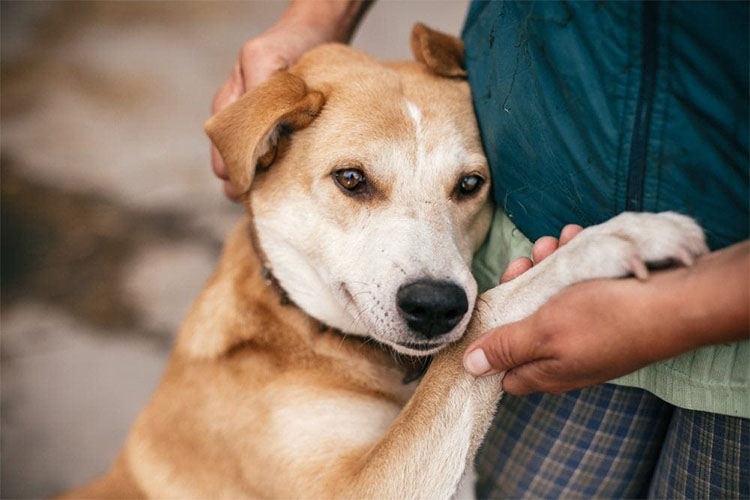
Signs of stress in dogs
Aggression: Dogs that are stressed may become more aggressive than usual. They may snap or growl at people or other animals that they normally wouldn’t.
Excessive barking: If your dog is barking excessively, it may be a sign that they are stressed. This is especially true if your dog is barking when there is nothing to bark at or if they are barking more than usual.
Pacing: Dogs that are stressed may pace back and forth or wander aimlessly around the house. This is a sign that they are restless and unable to settle down.
Loss of appetite: Dogs that are stressed may lose their appetite and refuse to eat. This is especially true if your dog is normally a good eater.
Licking or chewing: Dogs that are stressed may lick or chew on their paws or other parts of their body excessively. This can lead to skin irritation and other health problems.
Hiding: Dogs that are stressed may try to hide from people or other animals. They may retreat to a quiet corner of the house or hide under furniture.
Panting: Dogs that are stressed may pant excessively, even when they are not hot or exercising. This is a sign that they are anxious and uncomfortable.
Excessive drooling: Dogs that are stressed may drool excessively, even when they are not eating or drinking.
Diarrhea or vomiting: Stress can cause gastrointestinal problems in dogs, such as diarrhea or vomiting.
Tail tucked between legs: Dogs that are stressed may hold their tail between their legs, which is a sign of fear or anxiety.
Trembling or shaking: Dogs that are stressed may tremble or shake uncontrollably, especially during thunderstorms or other loud noises.
Destructive behavior: Dogs that are stressed may exhibit destructive behavior, such as chewing on furniture or digging holes in the yard.
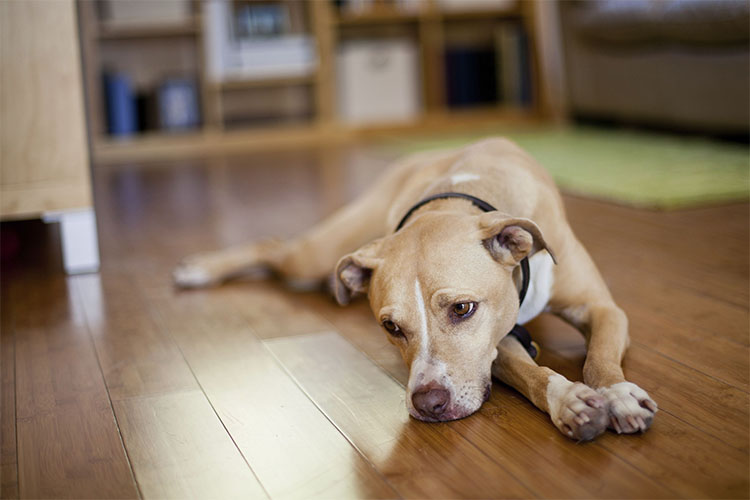
Signs of depression in dogs
Lack of energy: Dogs that are depressed may seem lethargic and lack energy. They may not want to go for walks or play like they used to.
Sleep changes: Dogs that are depressed may sleep more than usual or have trouble sleeping. They may also be restless during the night.
Loss of interest: Dogs that are depressed may lose interest in things that they used to enjoy, such as playing with toys or going for car rides.
Avoidance: Dogs that are depressed may avoid people or other animals. They may not want to be touched or petted.
Changes in behavior: Dogs that are depressed may exhibit changes in behavior, such as becoming more aggressive or more submissive than usual.
Licking or chewing: Dogs that are depressed may lick or chew on their paws or other parts of their body excessively. This can lead to skin irritation and other health problems.
Changes in appetite: Dogs that are depressed may lose their appetite or overeat. This can lead to weight gain or weight loss.
Excessive sleeping: Dogs that are depressed may sleep more than usual, often in unusual places or positions.
Lack of grooming: Dogs that are depressed may neglect their grooming, leading to a dull, unkempt coat.
Avoiding eye contact: Dogs that are depressed may avoid making eye contact with their owners or other people.
Loss of bladder control: Depression can cause dogs to lose control of their bladder, leading to accidents in the house.
Lethargy: Dogs that are depressed may seem lethargic and uninterested in their surroundings, often lying in one place for long periods of time.
What can you do to help your stressed or depressed dog?
If you notice any of the signs of stress or depression in your dog, there are several things that you can do to help them feel better.
Schedule a visit with the vet: Before taking any action, it is important to rule out any medical issues that may be causing your dog’s symptoms. Schedule a visit with your vet to ensure that your dog is healthy and there are no underlying medical issues.
Provide a safe and comfortable environment: Dogs that are stressed or depressed need a safe and comfortable environment to feel relaxed. Make sure that your dog has a comfortable bed to sleep in and a safe place to retreat to when they are feeling anxious.
Positive reinforcement: Dogs respond well to positive reinforcement. Praise and reward your dog when they exhibit good behavior or when they seem happy and relaxed.
Playtime: Playtime is a great way to bond with your dog and reduce their stress levels. Spend some time playing with your dog every day, whether it’s a game of fetch or a tug of war.
Consistency: Dogs thrive on routine and consistency. Stick to a regular schedule for feeding, exercise, and playtime to help your dog feel secure and comfortable.
Relaxation techniques: Just like humans, dogs can benefit from relaxation techniques such as massage, aromatherapy, and music therapy. Consider trying these techniques with your dog to help them relax.
Socialization: Dogs are social animals and need to interact with other dogs and people to feel happy and fulfilled. Take your dog to a dog park or arrange playdates with other dogs to help them socialize.
Training: Training can help build your dog’s confidence and reduce their stress levels. Consider enrolling your dog in a training class to help them learn new skills and build their self-esteem.
Medication: In some cases, medication may be necessary to help your dog manage their stress or depression. Talk to your vet about whether medication is appropriate for your dog’s situation.
In conclusion, recognizing the signs of stress and depression in your dog is crucial in ensuring their well-being. By paying attention to your dog’s behavior and providing them with a safe and comfortable environment, you can help them overcome their stress or depression and lead a happy, healthy life.