

Cats are adorable creatures that bring joy and companionship to our lives. However, they are not without their own set of challenges. Cat behavior problems are common among cat owners, and they can range from mild nuisances to serious issues that require professional intervention. In this article, we will discuss some of the most common cat behavior problems, their causes, and how to address them.
Inappropriate Urination
One of the most common cat behavior problems is inappropriate urination. Cats that urinate outside of the litter box can be frustrating and can cause damage to furniture, carpets, and floors. Inappropriate urination can be caused by medical issues such as urinary tract infections or behavioral issues such as stress or anxiety. If your cat is urinating outside of the litter box, it is important to take them to the vet to rule out any medical issues. If the issue is behavioral, there are a few things you can do to address it. Make sure you have enough litter boxes for your cats, keep them clean, and try different types of litter to see if your cat prefers one over another. You can also try placing the litter box in a different location, away from busy areas of the house, and provide your cat with plenty of vertical space to climb and play.
Scratching Furniture
Cats need to scratch to maintain their claws and mark their territory. However, when they scratch furniture, it can be frustrating for owners. To prevent this behavior, provide your cat with a scratching post or pad and encourage them to use it. Place the scratching post or pad near the area where your cat likes to scratch and use positive reinforcement when they use it. If your cat continues to scratch furniture, you can try covering it with a material that cats do not like, such as double-sided tape or aluminum foil.
Aggression
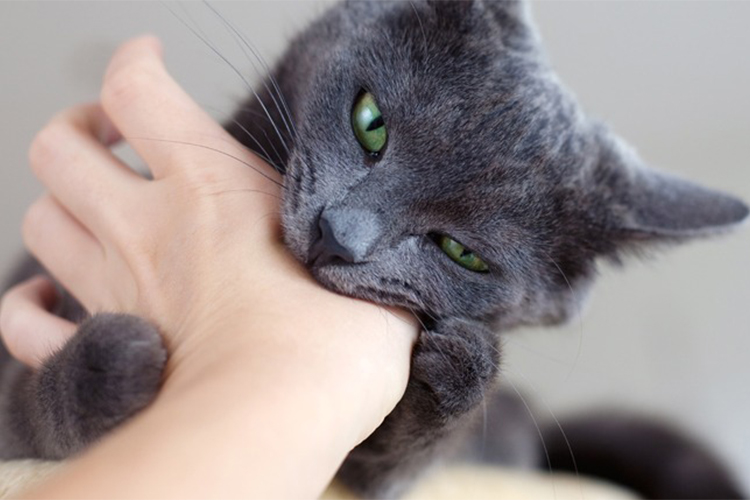
Cats can become aggressive for a variety of reasons, including fear, territorial behavior, and play aggression. If your cat is displaying aggressive behavior, it is important to identify the cause and address it appropriately. If your cat is afraid, try to create a safe and secure environment for them. Provide them with hiding places and avoid picking them up or forcing them to interact with people or other pets. If your cat is displaying territorial aggression, provide them with their own space and resources, such as food and water bowls, litter boxes, and toys. If your cat is displaying play aggression, provide them with plenty of toys to play with and try to redirect their attention away from humans.
Excessive Meowing
While cats are known for their vocalizations, excessive meowing can be a sign of a problem. If your cat is meowing excessively, it could be a sign of stress or anxiety, especially if the meowing occurs at night. To address this behavior, make sure your cat has plenty of toys and activities to keep them occupied during the day. Provide them with a comfortable bed and avoid interacting with them when they meow excessively. If the behavior persists, consult with your vet to rule out any medical issues.
Fear and Anxiety
Cats can experience fear and anxiety for a variety of reasons, including changes in their environment, lack of socialization, and past traumas. Signs of fear and anxiety in cats can include hiding, excessive grooming, and avoiding interaction with people or other pets. To address these issues, provide your cat with a safe and secure environment and avoid making sudden changes to their routine. You can also provide them with pheromone sprays or diffusers to help reduce stress and anxiety.
Nighttime Activity
Cats are known to be nocturnal animals and may become active during the night, which can be frustrating for owners who are trying to sleep. If your cat is keeping you up at night, try to provide them with plenty of activities during the day to tire them out. Play with them and provide them with toys that they can play with on their own. You can also try feeding your cat a small meal before bedtime to encourage them to sleep. Avoid interacting with your cat when they are active at night, as this may reinforce the behavior.
Destructive Behavior
Cats may engage in destructive behavior, such as chewing on cords, scratching furniture, and knocking over objects. This behavior can be caused by boredom or anxiety. To prevent destructive behavior, provide your cat with plenty of toys and activities to keep them occupied. You can also provide them with scratching posts and pads to redirect their scratching behavior. Make sure that dangerous objects, such as cords and toxic plants, are out of reach.
Overgrooming
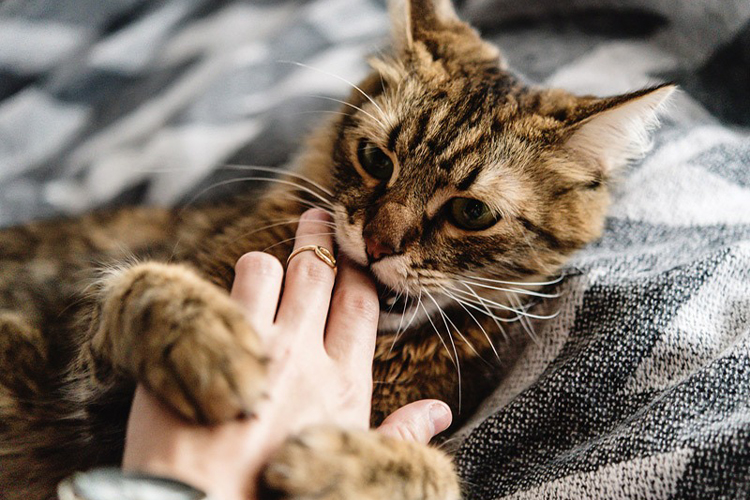
Cats may overgroom themselves to the point of causing skin irritation and hair loss. Overgrooming can be caused by stress or anxiety, skin allergies, or medical conditions such as hyperthyroidism. If your cat is overgrooming, it is important to take them to the vet to rule out any medical issues. If the behavior is caused by stress or anxiety, provide your cat with a safe and secure environment and try to reduce stressors in their environment.
Food Aggression
Cats may become aggressive over their food, especially if they have been in an environment where they had to compete for food. Food aggression can include hissing, growling, and even biting. To address food aggression, provide your cat with their own food and water bowls in a quiet area. You can also try feeding your cat smaller meals more frequently throughout the day to reduce the likelihood of them becoming aggressive over food.
Separation Anxiety
Cats may experience separation anxiety when their owners leave the house, which can result in destructive behavior and excessive vocalization. To prevent separation anxiety, gradually acclimate your cat to your absence by leaving the house for short periods of time and gradually increasing the time you are away. Provide your cat with plenty of toys and activities to keep them occupied while you are away. You can also try using pheromone sprays or diffusers to help reduce stress and anxiety.
In conclusion, cat behavior problems are common among cat owners and can range from mild nuisances to serious issues that require professional intervention. It is important to identify the cause of the behavior and address it appropriately. Providing your cat with a safe and secure environment, plenty of toys and activities, and reducing stressors in their environment can help prevent and address cat behavior problems. If the behavior persists, it is important to consult with your vet to rule out any medical issues. With patience and understanding, you can help your cat overcome their behavior problems and enjoy a happy and healthy life together.