

Dogs are wonderful pets that can bring joy and happiness to any household. However, they also need to be trained and disciplined to ensure they behave well and don’t cause any harm or damage. Discipline is an essential aspect of dog training, and it’s essential to teach it to your furry friend in a fun and engaging way. Here are some fun ways to teach dog discipline that you and your pup will enjoy.
Positive Reinforcement
Positive reinforcement is one of the most effective ways to teach your dog discipline. It involves rewarding your dog for good behavior, such as following commands, behaving calmly, and not jumping on people. You can use treats, toys, and praise as rewards to reinforce good behavior. Positive reinforcement not only teaches your dog discipline, but it also strengthens your bond and creates a positive environment for learning.
Playtime
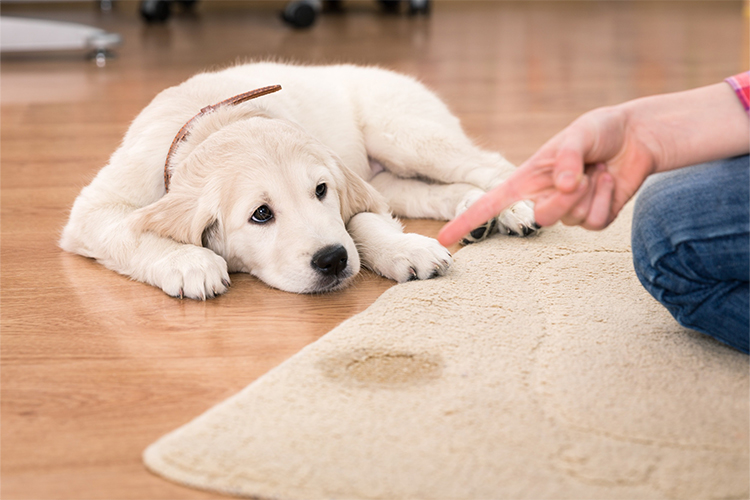
Playing with your dog is not only fun, but it can also be a great way to teach discipline. You can incorporate training exercises into playtime to teach your dog to follow commands while having fun. For instance, you can play fetch and use it as an opportunity to teach your dog to come when called. You can also use tug-of-war games to teach your dog to release objects on command.
Agility Training
Agility training is a fun and challenging way to teach your dog discipline. It involves teaching your dog to navigate obstacles such as jumps, tunnels, and weave poles. Agility training requires discipline and focus, which can help improve your dog’s behavior and obedience. It’s also a great way to bond with your dog and provide them with physical and mental stimulation.
Obedience Classes
Obedience classes are an excellent way to teach your dog discipline in a fun and social setting. These classes teach basic commands such as sit, stay, come, and heel, as well as more advanced commands such as off-leash walking and recall. Obedience classes also provide an opportunity for your dog to socialize with other dogs and learn to behave appropriately in a group setting.
Clicker Training
Clicker training is a positive reinforcement training method that involves using a clicker to mark good behavior and reward your dog with a treat or praise. Clicker training can be used to teach basic commands such as sit and stay, as well as more advanced behaviors such as tricks and agility skills. Clicker training is a fun and effective way to teach discipline while building a strong bond with your dog.
Trick Training
Teaching your dog tricks can be a fun way to teach discipline and obedience. Trick training involves teaching your dog to perform specific behaviors, such as rolling over, playing dead, or giving high fives. Trick training requires discipline and focus, which can help improve your dog’s behavior and obedience. It’s also a great way to bond with your dog and provide them with mental stimulation.
Nose Work
Nose work is a fun and engaging activity that can help teach your dog discipline and obedience. Nose work involves teaching your dog to use their sense of smell to find hidden objects or scents. Nose work requires discipline and focus, which can help improve your dog’s behavior and obedience. It’s also a great way to provide your dog with mental stimulation and build their confidence.
Interactive Toys
Interactive toys are a great way to teach your dog discipline while providing them with mental stimulation. These toys require your dog to solve a puzzle or complete a task to get a treat or reward. Interactive toys can help improve your dog’s problem-solving skills, focus, and patience. It’s important to supervise your dog when playing with these toys to ensure they don’t become frustrated or aggressive.
Impulse Control Games
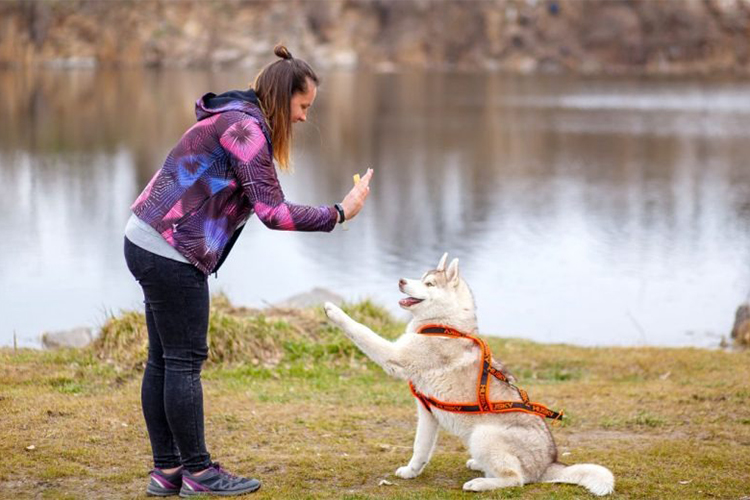
Impulse control games are a fun way to teach your dog discipline and obedience. These games involve teaching your dog to control their impulses and make good choices. For example, you can teach your dog to wait before eating their food or to resist the urge to jump on people. Impulse control games require discipline and focus, which can help improve your dog’s behavior and obedience.
Walking
Walking is a simple yet effective way to teach your dog discipline and obedience. Walking provides your dog with exercise, mental stimulation, and an opportunity to practice good behavior. It’s important to teach your dog to walk calmly on a leash, to come when called, and to ignore distractions such as other dogs or people. Walking with your dog also provides an opportunity to bond and strengthen your relationship.
Time-Outs
Time-outs can be an effective way to teach your dog discipline and reinforce good behavior. When your dog misbehaves, you can give them a time-out by placing them in a quiet, boring area such as a crate or bathroom. Time-outs should be short, no more than a few minutes, and should be used sparingly. Time-outs teach your dog that their behavior has consequences and can help prevent unwanted behaviors in the future.
Calming Exercises
Calming exercises such as meditation and yoga can be beneficial for both you and your dog. These exercises can help reduce stress and anxiety, improve focus and concentration, and promote relaxation. Teaching your dog calming exercises can help them learn to manage their emotions and behavior, which can lead to improved obedience and discipline.
Tug-of-War
Tug-of-War is a great game to play with your dog to teach them discipline and self-control. Start by teaching your dog the “drop it” command, so they know when to let go of the toy. Play tug-of-war for short periods, and make sure to reward your dog for letting go of the toy. This game can help improve your dog’s self-control and teach them to follow commands.
In conclusion, teaching your dog discipline can be a fun and rewarding experience for both you and your furry friend. Positive reinforcement, playtime, agility training, obedience classes, clicker training, trick training, nose work, interactive toys, impulse control games, walking, time-outs, and calming exercises are all effective ways to teach your dog discipline while building a strong bond and having fun. It’s important to be patient, consistent, and use positive reinforcement to ensure your dog learns and retains good behavior. With time and effort, your dog will become a well-behaved and disciplined companion that you can enjoy for years to come.