
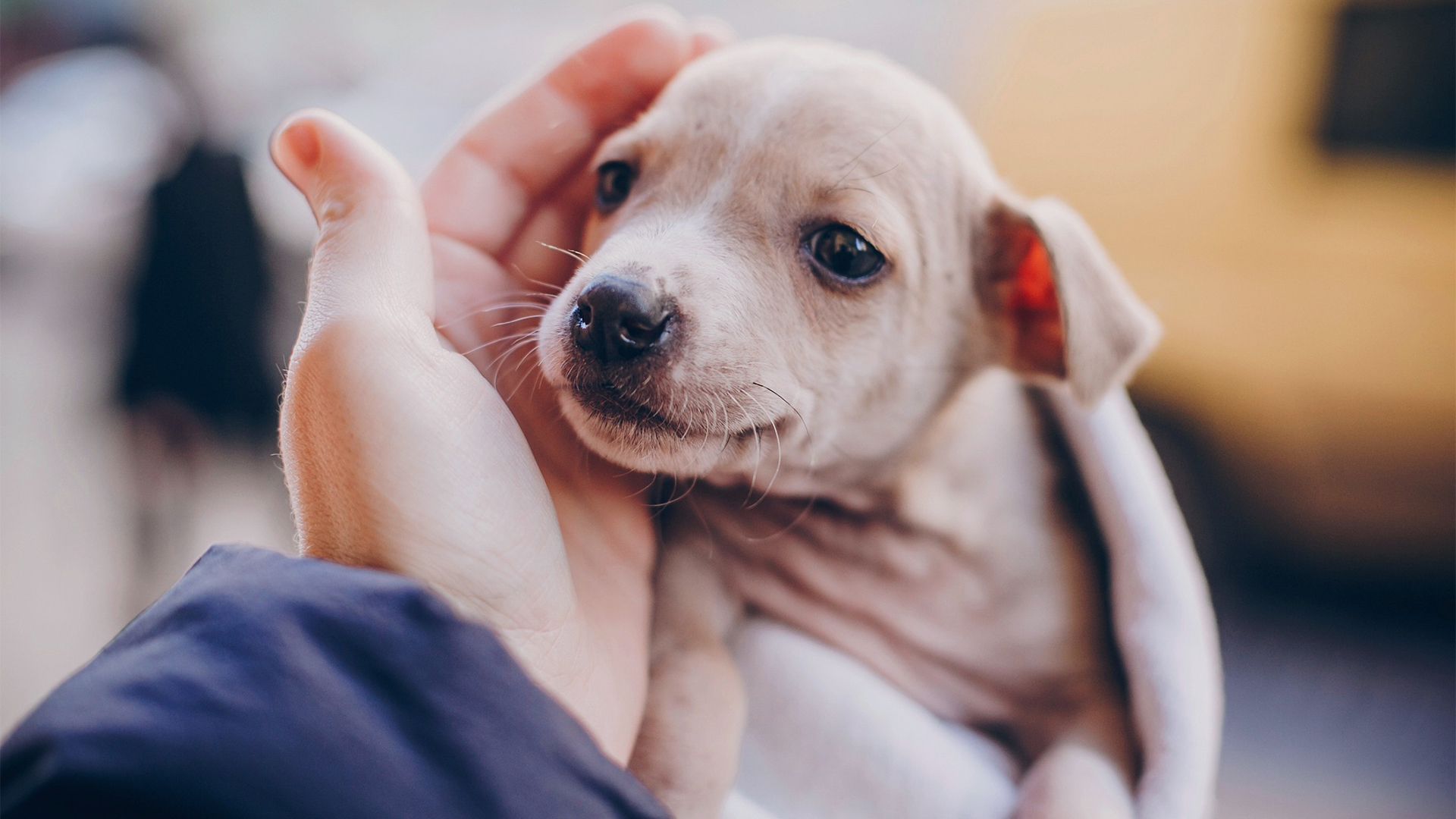
As a new puppy owner, you might be surprised by just how much your furry friend can cry. Whether it’s due to separation anxiety, fear, hunger, or boredom, listening to your pup’s whimpers and whines can be distressing for both you and your four-legged companion.
Fortunately, there are many ways to soothe a crying puppy and make them feel comfortable and safe. In this article, we will explore some of the best ways to calm a crying puppy, so both you and your furry friend can enjoy a peaceful and happy life together.
Identify the Cause of Your Puppy's Crying
Before you can effectively soothe your crying puppy, you must first identify the cause of their distress. Common reasons why puppies cry include hunger, thirst, loneliness, fear, pain, and boredom.
If your puppy is crying due to hunger, make sure you are feeding them regularly and providing them with the proper nutrition. Similarly, if your puppy is thirsty, make sure they have access to fresh water.
If your puppy is crying due to loneliness, make sure they have plenty of toys to play with and spend time with them regularly. On the other hand, if your puppy is crying due to fear or pain, take them to the veterinarian for a check-up.

Create a Calming Environment
Creating a calm and soothing environment can help your puppy feel more relaxed and secure. Consider creating a comfortable and cozy bed for your pup, filled with soft blankets and pillows.
You can also use calming music or white noise to help your puppy relax. Some puppies also respond well to aromatherapy, so consider using essential oils such as lavender or chamomile to help calm your furry friend.
Provide Plenty of Attention and Affection
Puppies thrive on attention and affection, and providing plenty of cuddles and love can help them feel safe and secure. Spend time playing with your pup and take them for regular walks to help them burn off energy and stay healthy.
If your puppy is crying due to separation anxiety, consider crate training them to help them feel more secure when you’re not around. Make sure the crate is comfortable and filled with familiar scents, such as their favorite toys or blankets.
Use Positive Reinforcement
Using positive reinforcement techniques can also help soothe a crying puppy. When your puppy is calm and relaxed, reward them with treats, toys, and affection.
This positive reinforcement will help your pup associate calm behavior with positive experiences, making them more likely to remain calm in the future.
Consider Professional Help
If your puppy’s crying persists, consider seeking professional help. A professional dog trainer or behaviorist can help you identify the underlying cause of your puppy’s distress and develop a plan to address it.
In some cases, medication may be necessary to help soothe an anxious or stressed puppy. A veterinarian can prescribe medication to help manage your puppy’s symptoms and make them more comfortable.

Socialization
Socialization is an essential aspect of puppy development. Exposing your puppy to new people, animals, and environments can help them develop confidence and reduce their anxiety. However, socialization should be done gradually and with positive reinforcement.
Make sure your puppy’s interactions with other dogs and people are positive and supervised. Avoid overwhelming your puppy with too many new experiences at once and give them plenty of time to adjust to new situations.
Calming Supplements
There are many natural calming supplements available for dogs, such as chamomile, valerian root, and CBD oil. These supplements can help reduce your puppy’s anxiety and promote relaxation. However, it’s essential to consult with your veterinarian before giving your puppy any supplements or medication.
Consistency and Routine
Dogs thrive on routine and consistency. Establishing a consistent feeding, exercise, and sleeping schedule can help your puppy feel more secure and less anxious. Stick to a routine as much as possible, even on weekends or vacations.
Patience and Positive Attitude
Finally, it’s essential to be patient and maintain a positive attitude when dealing with a crying puppy. Puppies are like babies, and they require a lot of attention, patience, and understanding. Remember that crying is a natural way for puppies to communicate, and it’s your job as a pet parent to figure out what your puppy needs.
Don’t punish your puppy for crying, as this can increase their anxiety and make the problem worse. Instead, remain calm, patient, and positive, and seek help from professionals if necessary.
Use Crate Training
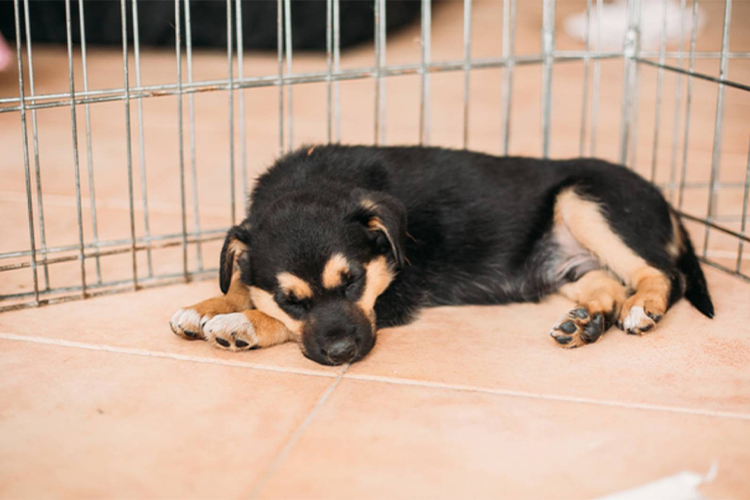
Crate training can be an effective way to soothe a crying puppy. A crate provides a safe and secure space for your puppy to rest and sleep. However, it’s essential to introduce your puppy to the crate gradually and with positive reinforcement.
Start by placing your puppy in the crate for short periods while you’re in the room, and gradually increase the duration. Make sure the crate is comfortable and has plenty of toys and treats. Avoid using the crate as a punishment, and never leave your puppy in the crate for long periods.
Practice Patience
It’s important to practice patience when soothing a crying puppy. Puppies are still learning how to communicate, and crying is a natural part of their development. It may take time to identify the cause of your puppy’s distress and find the best way to soothe them.
It’s also important to remember that puppies have different personalities and temperaments, and what works for one puppy may not work for another. Be patient and persistent in your efforts to soothe your puppy, and don’t give up.
Conclusion
In conclusion, there are many ways to soothe a crying puppy, and it’s essential to find the method that works best for your furry friend. By identifying the cause of your puppy’s distress, creating a calming environment, providing plenty of attention and affection, using positive reinforcement, exercise, and playtime, socialization, calming supplements, consistency, and routine, and patience and positivity, you can help your puppy feel safe and secure. Remember, it takes time, patience, and commitment to raise a happy and healthy puppy.