

Dogs are one of the most beloved pets around the world. They are friendly, loyal, and great companions. However, sometimes dogs can be a bit noisy and bark excessively, which can become a problem for their owners and their neighbors. It’s essential to teach your dog how to control their barking behavior to avoid any issues. In this article, we will discuss some effective tips to stop your dog from barking.
Understand the reason for barking
Before starting any training, it’s crucial to understand why your dog is barking. Dogs bark for various reasons, such as anxiety, boredom, territorial behavior, or as a warning sign. If you can identify the root cause, it will be easier to find a solution to control their barking.

Socialize your dog
Socialization plays a significant role in controlling your dog’s behavior. When your dog gets used to being around people and other dogs, they are less likely to bark excessively. Take your dog to the park, introduce them to other dogs, and allow them to socialize with people. Socialization will help them feel more comfortable in different environments, reducing their anxiety levels.
Use Positive Reinforcement
Positive reinforcement is an effective technique to train dogs. Whenever your dog barks, reward them with a treat or a toy when they stop barking. This technique encourages good behavior and reinforces your dog to obey your commands. Make sure to praise your dog every time they stop barking to let them know that they are doing well.
Teach the “Quiet” Command
Training your dog to follow commands is an essential part of their behavior. Teach your dog the “quiet” command and reward them when they follow it. You can start by saying “quiet” in a calm and firm voice when they start barking. Once they stop barking, reward them with a treat or a toy. With consistent training, your dog will understand that the “quiet” command means they need to stop barking.
Don’t yell at your dog
Yelling at your dog will only make things worse. It can make your dog anxious and increase their barking behavior. Yelling can also make your dog feel more threatened, and they may start barking even louder. Instead, remain calm, and use positive reinforcement to encourage good behavior.
Provide plenty of exercise and mental stimulation
Exercise and mental stimulation are essential for your dog’s overall health and wellbeing. When your dog gets enough exercise and mental stimulation, they are less likely to become bored and bark excessively. Take your dog for a walk or play games with them. Also, consider providing them with toys that can keep them occupied and mentally stimulated.

Consult a Professional
If you’ve tried all the above techniques and your dog’s barking behavior is still not under control, it’s time to consult a professional. A professional dog trainer can help you understand your dog’s behavior and provide personalized training to stop their excessive barking.
Avoid reinforcing bad behavior
It’s important to avoid reinforcing bad behavior, which means not rewarding your dog when they bark excessively. If you give them attention or treats when they bark, they will continue to do so. Instead, wait for your dog to stop barking and then reward them for their good behavior.
Use a Citronella Collar
A citronella collar is a collar that sprays a harmless citronella mist when your dog barks. The smell is unpleasant to dogs, and it can help deter them from barking excessively. This type of collar is a safe and humane way to train your dog to control their barking behavior.
Provide a Safe and Comfortable Environment
Creating a safe and comfortable environment for your dog is important for their overall well-being. Dogs can become anxious and bark excessively if they are in a stressful environment. Make sure your dog has a comfortable bed, access to food and water, and toys to play with. Also, make sure your dog has a safe place to retreat to when they feel overwhelmed.
Address Separation Anxiety
Separation anxiety is a common reason for excessive barking. If your dog barks excessively when you leave the house, they may be experiencing separation anxiety. To address this issue, gradually get your dog used to being alone for short periods of time. Start by leaving them alone for a few minutes and gradually increase the time. Also, make sure to provide them with toys and treats to keep them occupied.
Use a White Noise Machine
White noise machines can help drown out external noises that may trigger your dog’s barking behavior. This can be helpful if your dog barks at noises outside, such as cars or other animals. The white noise machine will create a constant sound that can help your dog relax and feel more secure.
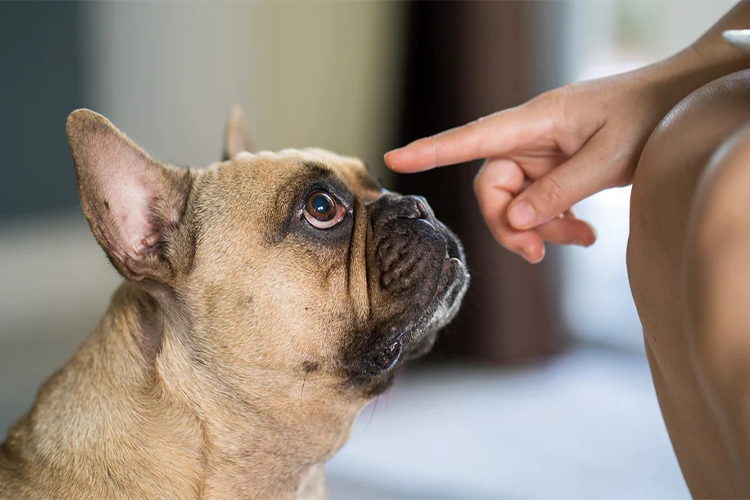
Train your dog to be quiet on command
In addition to teaching your dog the “quiet” command, you can also train them to be quiet on command. This means training them to stop barking when you give them a specific signal, such as raising your hand or saying “stop.” With consistent training, your dog will learn to control their barking behavior and respond to your commands.
Use a Thundershirt
A Thundershirt is a vest-like garment that provides gentle pressure to your dog’s body, which can have a calming effect on them. This can be helpful for dogs that bark excessively due to anxiety or stress. Thundershirts are available in different sizes and can be purchased online or at pet stores.
Be Consistent
Consistency is key when it comes to training your dog to control their barking behavior. Make sure to use the same commands and techniques every time. Also, make sure everyone in your household is on board with the training plan. Inconsistent training can confuse your dog and make it harder for them to learn.
In summary, stopping your dog from barking excessively requires patience, consistency, and a positive approach. Identify the root cause of their barking, avoid reinforcing bad behavior, and use positive reinforcement. Also, provide a safe and comfortable environment, address separation anxiety, and use white noise machines. Finally, train your dog to be quiet on command and be consistent with your training plan. With consistent training, your dog will learn to control their barking behavior and be a great companion.