

Pets are like family to us, and we always want to keep them safe and healthy. However, sometimes, despite our best efforts, they can eat something poisonous. This can be a very distressing situation, but it’s important to stay calm and act quickly. In this article, we’ll discuss what you should do if your pet eats something poisonous.
Step 1: Identify the Poison
The first step is to identify the poison that your pet has ingested. This will help you determine the severity of the situation and provide the veterinarian with the information they need to treat your pet.
If you know what your pet has eaten, check the packaging for any warning labels or ingredients that may be harmful. If you’re not sure what your pet has ingested, try to find any remnants of the substance and bring it with you to the vet. Additionally, you can call the Pet Poison Helpline (1-855-764-7661) or ASPCA Animal Poison Control Center (1-888-426-4435) for guidance.

Step 2: Watch for Symptoms
Keep a close eye on your pet for any symptoms of poisoning. Symptoms can vary depending on the substance ingested, but common symptoms include vomiting, diarrhea, lethargy, loss of appetite, seizures, and difficulty breathing.
If your pet is showing any of these symptoms, contact your veterinarian immediately. They may ask you to bring your pet in or suggest home treatment if the symptoms are mild.
Step 3: Seek Veterinary Care
If your pet is showing any symptoms of poisoning, it’s important to seek veterinary care as soon as possible. Even if your pet seems fine, it’s still important to seek veterinary care because some poisons can have delayed effects.
When you arrive at the vet, inform them of the poison your pet has ingested and any symptoms they are experiencing. The vet will likely perform a physical exam, take blood tests, and administer any necessary treatments.
Step 4: Follow the Vet's Instructions
After the vet has assessed your pet’s condition, they will provide you with instructions for treatment and care. It’s important to follow these instructions carefully to ensure your pet makes a full recovery.
Some treatments may include inducing vomiting to remove the poison from your pet’s system, administering medication to counteract the effects of the poison, or hospitalization for supportive care.
Step 5: Prevent Future Incidents
Once your pet has made a full recovery, it’s important to take steps to prevent future incidents. This may include pet-proofing your home to prevent your pet from accessing harmful substances, being mindful of what you leave lying around, and keeping all medications and chemicals out of reach.
Additionally, it’s a good idea to familiarize yourself with common household poisons and their effects on pets, so you can take immediate action if your pet ingests something poisonous in the future.

Step 6: Don't Panic
It’s natural to feel worried or upset if you think your pet has ingested something poisonous, but it’s important to stay calm. Panicking can make the situation worse and can make it more difficult to take the necessary steps to help your pet.
Step 7: Remove Your Pet from the Area
If you notice your pet eating something poisonous, the first thing you should do is remove them from the area. This will help prevent them from ingesting more of the substance and will reduce their exposure to the toxic substance.
Step 8: Call Your Veterinarian
If your pet has eaten something poisonous, call your veterinarian immediately. They will be able to provide you with guidance on what to do next, and they may ask you to bring your pet in for treatment.
If your veterinarian is not available, you can also call the Pet Poison Helpline or the ASPCA Animal Poison Control Center for assistance. These organizations have veterinary toxicologists who can provide you with advice on what to do next.
Step 9: Induce Vomiting (If Recommended)
In some cases, inducing vomiting can be an effective way to remove the poison from your pet’s system. However, it’s important to note that inducing vomiting should only be done if recommended by your veterinarian or a veterinary toxicologist.
Never try to induce vomiting on your own, as this can be dangerous and can cause your pet to inhale the vomit or choke on it. Your veterinarian may recommend that you administer hydrogen peroxide to your pet, which will cause them to vomit. However, this should only be done under their guidance and supervision.
Step 10: Provide Supportive Care
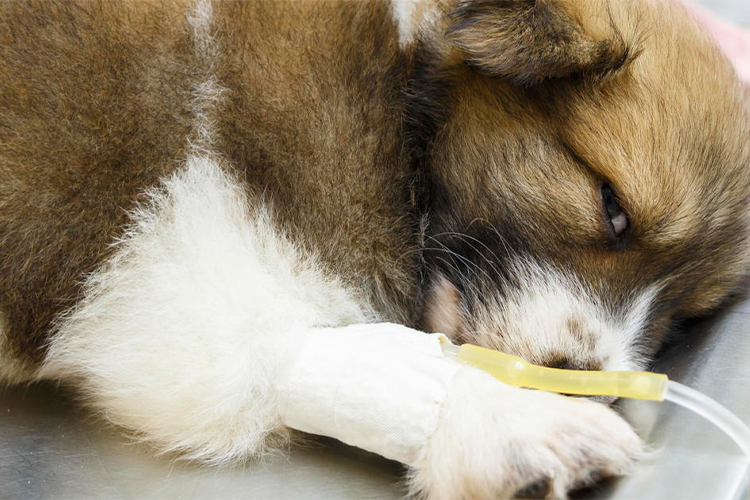
If your pet has ingested something poisonous, they may require supportive care to help them recover. This may include administering medications to counteract the effects of the poison, providing intravenous fluids to prevent dehydration, and monitoring their vital signs.
In some cases, hospitalization may be necessary to ensure that your pet receives the appropriate care. Your veterinarian will determine the best course of treatment based on your pet’s condition and the substance they ingested.
Step 11: Prevent Future Incidents
Once your pet has made a full recovery, it’s important to take steps to prevent future incidents. This may include pet-proofing your home, storing household chemicals and medications out of reach, and being mindful of what you leave lying around.
It’s also a good idea to familiarize yourself with common household toxins and their effects on pets. This will help you take immediate action if your pet ingests something poisonous in the future.
Step 12: Keep Emergency Numbers Handy
Before a pet emergency happens, it’s a good idea to have the phone numbers of your veterinarian, the Pet Poison Helpline, and the ASPCA Animal Poison Control Center saved on your phone or written down in a visible location in your home. This will make it easier to take action quickly if you suspect that your pet has ingested something poisonous.
Step 13: Identify Poisonous Plants in Your Home and Garden
Many common houseplants and garden plants are toxic to pets, so it’s important to familiarize yourself with them and remove them from your home or garden. Some examples of poisonous plants include lilies, azaleas, daffodils, and ivy. You can consult with a veterinarian or search for online resources to identify which plants are toxic to pets.
In conclusion, if your pet eats something poisonous, it’s important to act quickly and seek veterinary care as soon as possible. Don’t try to induce vomiting on your own, and follow your veterinarian’s instructions carefully. By taking these steps, you can help ensure your pet’s safety and prevent serious health consequences.